
RV’s Insurance
Protection for the Road and the Campsite
What Can RV Insurance Help Cover?
RV insurance is specialized coverage for qualifying recreational vehicles. Depending on the type of RV and policy selected, it may combine elements of auto insurance, physical-damage protection, personal liability, personal-property coverage, roadside assistance, and other RV-specific features.
Liability Coverage
For qualifying motorized RVs, liability coverage may help when you are legally responsible for covered bodily injury or property damage to another person.
Collision Coverage
May help repair or compensate for covered damage to the insured RV after a qualifying collision, subject to the deductible, limits, and policy terms.
Comprehensive Coverage
May help after qualifying theft, vandalism, fire, hail, storm damage, falling objects, and other covered non-collision losses.
Vacation Liability
Certain RV policies may provide liability protection while the RV is parked and being used as a temporary residence at a campsite or other approved location.
Class A Motorhomes
Large self-propelled motorhomes commonly used for extended travel, camping, and longer road trips.
Class B Camper Vans
Van-based recreational vehicles with sleeping, cooking, storage, and travel features in a compact design.
Class C Motorhomes
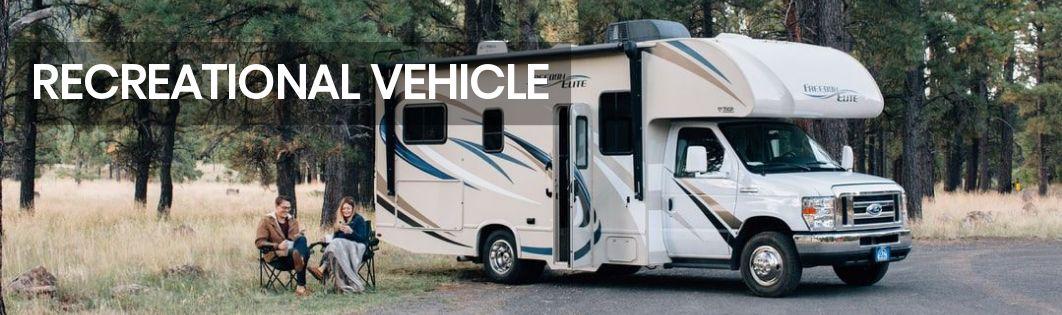
Self-propelled RVs commonly built on a truck or van chassis with sleeping or storage space extending over the cab.
Travel Trailers
Towable recreational trailers used for camping, vacations, and temporary living while traveling.
Fifth Wheels
Larger towable RVs that connect to a specialized hitch in the bed of a qualifying pickup truck.
Toy Haulers & Other Campers
Toy haulers, truck campers, pop-up campers, and other qualifying RVs may have different insurance requirements and coverage options.
Motorhome or Towable RV?
How the RV Moves Can Change the Insurance
Motorhomes have their own auto exposure, while travel trailers and fifth wheels are towed by another vehicle. Best Formula Insurance can help review the right structure for your RV.
Build Coverage Around How You Travel
What Should You Review Before Buying RV Insurance?
Coverage and pricing can depend on the RV type, value, drivers, travel habits, personal belongings, storage location, financing, full-time use, accessories, and insurance company guidelines.
Motorized or Towable
A self-propelled Class A, B, or C motorhome has different insurance exposures than a travel trailer, fifth wheel, or other towable RV.
How You Use the RV
Tell the agency whether the RV is used for occasional vacations, extended trips, seasonal camping, long-term occupancy, or full-time living.
Personal Belongings
Clothing, electronics, camping equipment, bicycles, kitchen items, outdoor furniture, and recreational gear can add substantial value.
Storage Location
Where the RV is normally stored may affect the insurance review, including home storage, commercial facilities, RV parks, or another property.
Financing
A lender may require comprehensive and collision coverage, specified deductibles, and proof of insurance while it has a financial interest in the RV.
Accessories & Equipment
Awnings, generators, solar equipment, bike racks, satellite equipment, outdoor kitchens, and other significant upgrades should be disclosed when appropriate.
Understand the Difference
Motorhome or Towable RV?
Self-Propelled RV
Motorhomes Have Their Own Auto Exposure
Class A, B, and C motorhomes are driven on public roads and may require liability, collision, comprehensive, uninsured motorist, medical-related, and other RV-specific coverage depending on state law and the policy.
Towable RV
The Tow Vehicle Does Not Automatically Cover Everything
The tow vehicle’s policy may provide certain liability protection while towing, but physical damage, personal property, vacation liability, and other RV-specific protection may need separate coverage.
RV Insurance Learning Center
Helpful Information Before the Next Trip
Explore practical guides about RV types, full-time use, towing, living-space exposures, and other recreational vehicle insurance considerations.
RV Basics
Motorhome vs. Travel Trailer Insurance
Learn why self-propelled motorhomes and towable travel trailers can require different insurance structures and coverage considerations.
Compare RV Types →
Full-Time RV Living
Insurance When the RV Is Your Home
Review full-time occupancy, personal property, liability, storage, travel, and other insurance considerations for people who spend extended periods living in an RV.
Review Full-Time RV Coverage →
Living in the RV for Extended Periods?
Full-Time RV Use Needs a Different Insurance Review
People who use an RV as a primary residence or spend substantial portions of the year living in it may have different liability, personal-property, and occupancy needs than occasional recreational users.
RV Insurance Questions
Recreational Vehicle Insurance FAQs
Simple answers about motorhomes, travel trailers, fifth wheels, full-time RV living, towing, physical damage, personal belongings, roadside assistance, storage, and recreational vehicle insurance.
Motorhome. Travel Trailer. Fifth Wheel. Camper Van. Toy Hauler.
Coverage Built Around the Way You Travel
Best Formula Insurance can help review your RV, drivers, liability limits, physical-damage coverage, personal belongings, vacation liability, roadside assistance, financing, storage, full-time use, accessories, and available recreational vehicle insurance options.
