
SMART INSURANCE FOR THE REAL WORLD

Transportation

Light Auto, Medium Auto, Long Haul, Tow Trucks, Sand & Gravel, Intermodal, Cargo and more.

More Info

Business

Business Owner's Policy, Workers' Compensation, Cyber, Real Estate, Restaurants, Retail, and more.

More Info

Contractors

General Liability, Builder's Risk, Tools, Professional Liability, Tools & Equipment, Bond's and more.

More Info

Personal

Auto, Home, Motorcycle, RVs, ATVs Boats, Classic Car, Renters, Condominiums' and more.

More Info

Earthquake Insurance
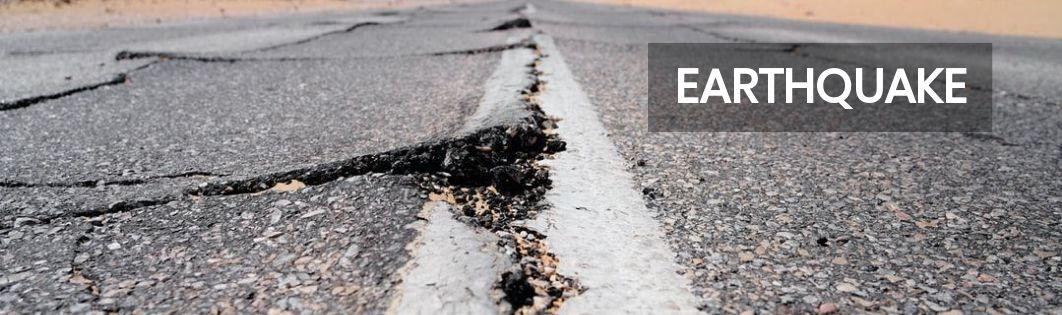
Earthquake Insurance

Earthquake Insurance for Your Home and Belongings

Standard homeowners insurance generally does not cover direct earthquake damage. Separate earthquake insurance may help protect your home, personal belongings, and temporary living arrangements after a covered seismic loss.

Earthquake insurance works alongside your primary property insurance. It is designed to address certain earthquake-related losses that homeowners, condo, or renters insurance may exclude, subject to the earthquake policy’s limits, deductibles, exclusions, and terms.

Understand the Coverage Gap

What Can Earthquake Insurance Help Cover?

Direct earthquake damage is generally excluded from standard homeowners, renters, and condominium insurance policies. A separate earthquake policy or available endorsement may provide protection for certain residential property losses caused by seismic activity.

Dwelling Coverage

May help repair or rebuild the insured home when qualifying covered earthquake damage affects the structure, subject to the dwelling limit, deductible, exclusions, and policy terms.

Personal Property

May help replace certain qualifying furniture, electronics, clothing, appliances, and household belongings damaged by a covered earthquake.

Additional Living Expenses

May help with eligible temporary housing and certain increased living expenses when a covered earthquake makes the insured residence temporarily uninhabitable.

Homeowners

Coverage may include the dwelling, qualifying personal property, and eligible additional living expenses depending on the policy selected.

Condo Owners

Coverage may address belongings, certain interior property, loss assessments, and living expenses depending on the individual policy and association exposure.

Renters

Renters may be able to obtain protection for qualifying personal belongings and eligible additional living expenses after a covered earthquake.

Residential Property Owners

Landlords and other residential property owners may have earthquake exposures that require a specialized insurance review.

Know the Coverage Boundaries

Not Every Earthquake-Related Loss Is Covered the Same Way

Flood & Tsunami

Flooding and tsunami-related water damage generally require separate flood insurance and should not be assumed to be covered by earthquake insurance.

Vehicles

Residential earthquake insurance generally does not insure automobiles. Coverage may depend on the applicable auto policy.

Land & Exterior Property

Land, landscaping, pools, fences, patios, and certain detached structures may be excluded or subject to limited coverage.

Fire Following an Earthquake

Certain resulting fire losses may be addressed by homeowners or renters insurance rather than the earthquake policy, depending on policy terms.

Earthquake insurance coverage review

The Deductible Deserves a Closer Look

Earthquake Deductibles Can Be Very Different From Homeowners Deductibles

Earthquake deductibles are often expressed as a percentage of an applicable coverage limit rather than a simple flat dollar amount. Understanding that calculation can materially change how you evaluate a policy.

Evaluate Your Financial Exposure

What Should You Review Before Buying Earthquake Insurance?

Earthquake insurance should be evaluated around the property, rebuilding cost, deductible, personal-property needs, temporary housing exposure, construction, location, and the amount of financial risk you are prepared to retain.

Property Location

Earthquake exposure, proximity to known seismic areas, insurance availability, and pricing can vary substantially by location.

Construction & Foundation

Age, building materials, foundation type, number of stories, design, and structural characteristics may affect eligibility and pricing.

Rebuilding Cost

Review the amount it could cost to repair or reconstruct the insured dwelling rather than relying only on market value or purchase price.

Personal Property

Consider the value of furniture, electronics, appliances, clothing, and other belongings you may want included within available limits.

Temporary Housing

Think about where you would stay and what additional expenses you might incur if your home became temporarily uninhabitable.

Financial Reserves

Consider how much deductible, repair, rebuilding, personal-property, and temporary housing expense your household could reasonably absorb.

A Different Deductible Structure

Understanding Percentage Deductibles

Earthquake deductibles are often calculated as a percentage of an applicable coverage limit. The deductible structure may differ by coverage section and insurance company.

Example Dwelling Limit

$500,000

The amount used in this simplified example as the applicable dwelling coverage limit.

Example Deductible

10%

The deductible percentage shown only to demonstrate how a percentage calculation can work.

Example Calculation

$50,000

Ten percent of a $500,000 coverage limit equals $50,000 in this simplified illustration.

This is only an example. Actual earthquake deductible percentages, calculations, coverage sections, and claim applications vary by insurance company, policy, state, and selected coverage.

Strengthening the Property

Earthquake Retrofitting May Help Reduce Risk

The appropriate improvements depend on the home’s age, foundation, construction, and design. Verified improvements may also affect insurance eligibility or available options under certain programs.

Foundation Bolting

May help improve the connection between certain homes and their foundations when professionally evaluated and installed.

Cripple-Wall Bracing

Certain older homes may benefit from structural bracing designed to reduce movement during seismic activity.

Water-Heater Securing

Properly securing water heaters and other equipment may help reduce movement and related property damage.

Document Improvements

Keep permits, receipts, contractor records, photographs, and other documentation for qualifying seismic upgrades.

Earthquake Insurance Learning Center

Understand Earthquake Coverage Before You Need It

Explore practical guides about earthquake deductibles, property protection, and common coverage decisions for residential insurance customers.


Coverage Guide

What Does Earthquake Insurance Cover?

Learn how dwelling, personal-property, additional-living-expense, deductibles, limits, and exclusions may work after a covered earthquake.

Review Earthquake Coverage →


Deductible Guide

How Do Earthquake Deductibles Work?

Understand percentage deductibles, how the calculation may work, and why deductible responsibility should be considered when comparing earthquake policies.

Review Earthquake Deductibles →

Already Retrofitted Your Home?

Tell Us About Qualifying Seismic Improvements

Foundation bolting, bracing, and other verified seismic improvements may affect eligibility, deductible options, or available discounts under certain insurance programs. Keep documentation of completed work whenever possible.

Earthquake Insurance Questions

Earthquake Insurance FAQs

Clear answers about earthquake coverage, percentage deductibles, homeowners insurance, personal property, temporary housing, retrofits, condos, renters, and residential property protection.

Does homeowners insurance cover earthquake damage?

Standard homeowners insurance generally excludes direct earthquake damage. Separate earthquake insurance or an available endorsement may be needed.

What does earthquake insurance generally cover?

Depending on the policy, earthquake insurance may include dwelling coverage, personal-property coverage, and additional living expenses. Available limits and options vary by insurance company.

Is earthquake insurance required by law?

Earthquake insurance is generally optional. Property owners should still review any lender, association, or contractual requirements that may apply.

Does a mortgage company require earthquake insurance?

Mortgage lenders commonly require property insurance, but earthquake insurance is not commonly required. Actual requirements vary by lender, property, and financing agreement.

How does an earthquake deductible work?

Earthquake deductibles are often expressed as a percentage of an applicable coverage limit instead of a flat dollar amount. The actual calculation depends on the policy.

Is the deductible based on the amount of the claim?

Often the deductible is calculated using the applicable insured coverage limit rather than simply the amount of the claim. Review the actual policy for the applicable calculation.

Does earthquake insurance cover my belongings?

Personal-property coverage may be available for qualifying covered belongings, subject to the selected limit, deductible, exclusions, and policy terms.

Does earthquake insurance pay for temporary housing?

Additional-living-expense coverage may help with eligible temporary housing and increased living costs when a covered earthquake makes the residence temporarily uninhabitable.

Does earthquake insurance cover flood or tsunami damage?

Flooding and tsunami-related water damage generally require separate flood insurance and should not be assumed to be included under earthquake coverage.

Does earthquake insurance cover my car?

Residential earthquake insurance generally does not insure automobiles. Coverage for qualifying earthquake damage to a vehicle may depend on the applicable auto insurance policy.

Does earthquake insurance cover pools, fences, and landscaping?

Pools, fences, landscaping, land, and certain exterior structures may be excluded or subject to limited coverage depending on the policy.

What about fire after an earthquake?

Certain resulting fire losses may be addressed under homeowners or renters insurance rather than the earthquake policy, depending on the cause and applicable policy terms.

Can condo owners buy earthquake insurance?

Yes. Available protection may address personal belongings, certain interior improvements, loss assessments, and additional living expenses depending on the policy.

Can renters buy earthquake insurance?

Renters may be able to obtain earthquake protection for qualifying personal property and eligible additional living expenses.

What affects the price of earthquake insurance?

Pricing may consider property location, rebuilding cost, construction type, age, foundation, number of stories, deductible selection, limits, and qualifying seismic improvements.

Can retrofitting affect my earthquake insurance?

Depending on the property and insurance program, qualifying verified seismic improvements may affect eligibility, deductible options, or available discounts.

Can I buy earthquake insurance immediately after an earthquake?

Coverage generally must be active before a loss occurs. Insurance companies may also temporarily restrict new applications after significant seismic activity.

How much earthquake insurance should I consider?

Consider rebuilding cost, personal-property value, temporary living expenses, available policy limits, deductible responsibility, and how much financial risk you are prepared to retain.

What information do I need for an earthquake quote?

Information may include the property address, year built, construction type, foundation, number of stories, occupancy, current dwelling limit, current property insurance, and seismic retrofit information.

Can earthquake coverage be added to my existing homeowners policy?

Depending on the state and insurance company, earthquake protection may be offered through a separate policy or an available endorsement.

Earthquake insurance options

Understand Your Earthquake Insurance Options

Review Protection for Your Home, Belongings, and Temporary Living Expenses

Best Formula Insurance can help review your property information, available earthquake coverage, dwelling protection, personal-property limits, deductible options, temporary living expenses, and other residential earthquake insurance considerations.