
Builder’s Risk for Contractors
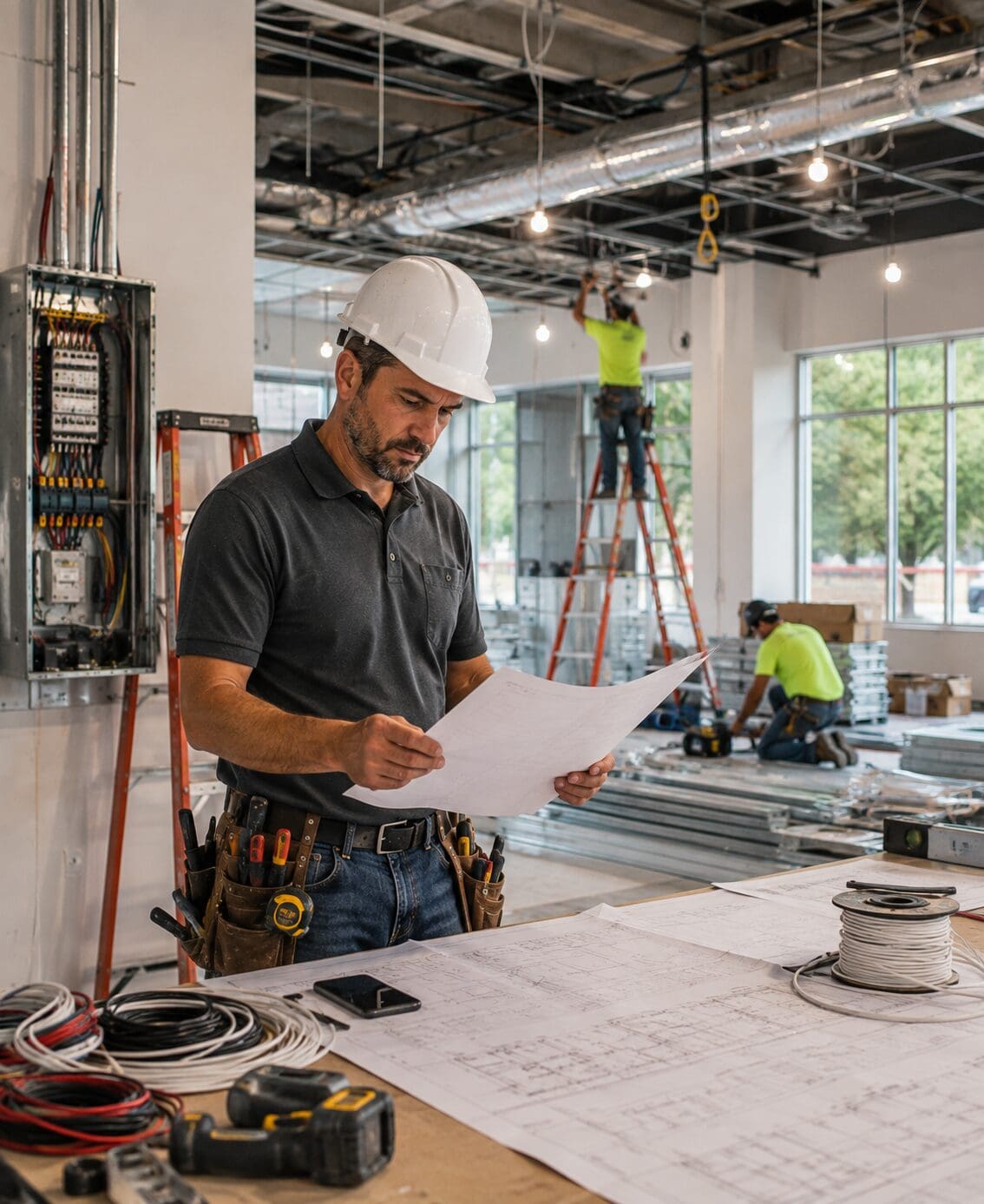
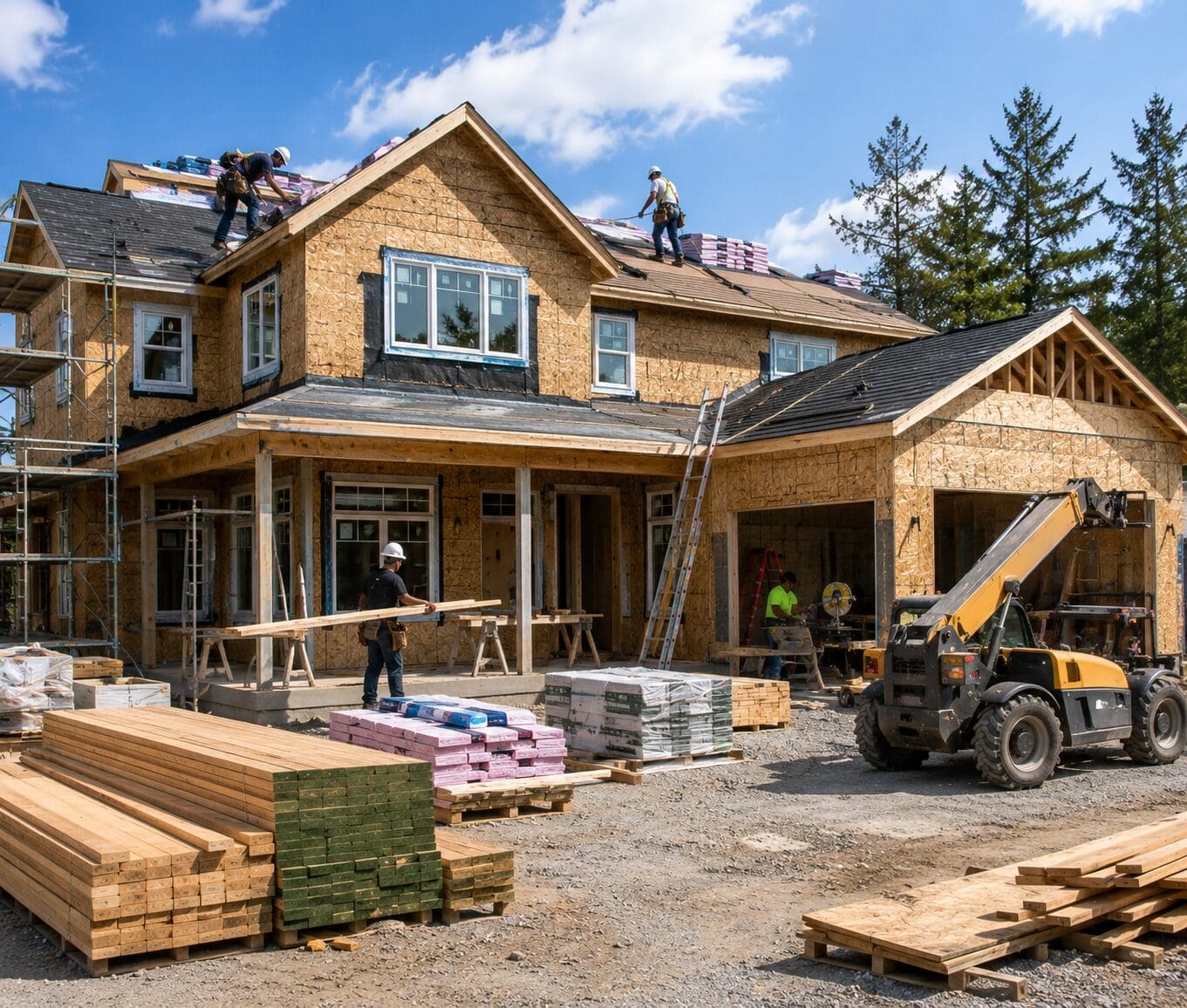
Protection During Construction
What Is Builder’s Risk Insurance?
Builder’s Risk, also called course-of-construction insurance, is specialized property coverage for a building or project while construction is underway.
It may be purchased by a property owner, developer, general contractor, custom-home builder, investor, or another party with a financial interest in the project. The construction contract or lender may specify who must obtain the policy.
New Construction
Ground-up residential, commercial, industrial, mixed-use, and other eligible construction projects.
Renovations and Remodeling
Major remodeling, additions, tenant improvements, structural alterations, and qualifying renovation projects.
Installation Projects
Certain materials, systems, and property awaiting installation may require Builder’s Risk or a separate installation floater.
Insurable Interest in the Project
Who May Need Builder’s Risk Insurance?
Several parties can have a financial interest in a construction project. The policy should be structured to reflect the contract, ownership, financing, and responsibilities of the parties involved.
Property Owners
Owners building a new home, commercial building, rental property, addition, or major renovation.
General Contractors
Contractors responsible for the project, materials, construction schedule, or contractual insurance requirements.
Developers and Investors
Developers, real-estate investors, and entities financing or managing construction and redevelopment projects.
Custom-Home Builders
Builders constructing homes for sale, under contract, or on behalf of individual property owners.
Lenders
Banks and construction lenders may require evidence of coverage to protect their financial interest in the project.
Specialty Contractors
Trade contractors responsible for high-value materials, systems, or installations may need project-specific coverage.
Property Under Construction
What a Builder’s Risk Policy May Protect
Coverage varies by carrier and policy form. The property, location, transit exposure, storage arrangements, and project responsibilities must be accurately reported.
The Building or Structure
The structure being constructed, remodeled, expanded, or renovated at the insured project location.
Construction Materials
Lumber, roofing, drywall, flooring, windows, fixtures, cabinetry, wiring, plumbing materials, and other eligible supplies.
Property Awaiting Installation
Eligible equipment, fixtures, appliances, systems, and materials that are intended to become a permanent part of the project.
Temporary Structures
Certain scaffolding, fencing, temporary structures, forms, signs, and project property when included by the policy.
Materials in Transit
Construction materials moving to the jobsite may be covered when transit coverage is included with an adequate limit.
Materials at Temporary Storage
Eligible materials stored away from the jobsite may require off-site storage coverage and a specifically selected limit.
Unexpected Construction Losses
Examples of Losses That May Be Covered
The policy must be reviewed carefully because covered causes of loss, exclusions, deductibles, sublimits, and endorsements vary.
Fire and smoke damage
Theft of covered materials
Vandalism
Wind and hail
Lightning
Explosion
Certain water damage
Certain collapse losses
Flood, earthquake, earth movement, named storm, water intrusion, theft, and other catastrophe coverage may be excluded, limited, subject to special deductibles, or available only by endorsement.
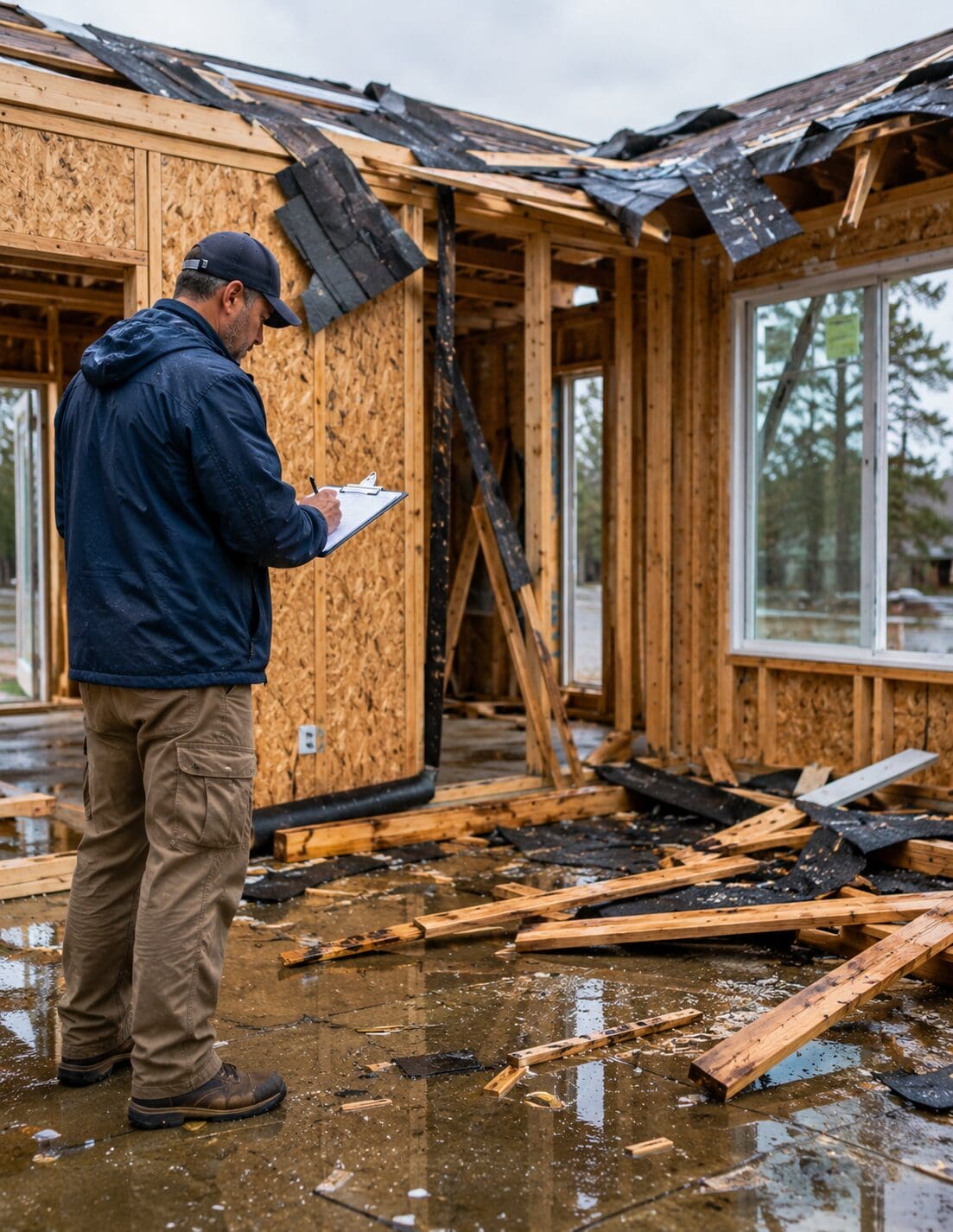
Beyond Physical Repairs
Consider Soft Costs and Delay Expenses
Repairing damaged construction may not be the project’s only expense. A covered loss can delay completion and generate additional financial obligations.
Additional Interest Expense
Additional loan or financing costs resulting from a qualifying covered construction delay.
Permit and Inspection Fees
Additional permit, inspection, testing, engineering, or professional costs that must be incurred again.
Extended General Conditions
Certain additional project-management, temporary utility, security, rental, or supervisory expenses.
Architectural and Engineering Fees
Certain additional fees necessary to redesign, review, reconstruct, or restore damaged portions of the project.
Real-Estate Taxes
Certain additional taxes or carrying costs incurred because a covered loss delays project completion.
Lost Rental Income
For qualifying projects, delayed-opening or rental-income coverage may be available when specifically insured.
Soft-cost and delay-in-completion coverage is not automatically included in every policy. The anticipated expenses, rental income, financing obligations, and project timeline should be reviewed before coverage begins.
Know the Coverage Gaps
What Builder’s Risk Usually Does Not Replace
Builder’s Risk is project-property coverage. Contractors may need several other policies to protect the full operation.
General Liability
Third-party bodily injury, property damage, and completed-operations exposures generally require contractor general liability insurance.
Employee Injuries
Work-related employee injuries generally require workers’ compensation insurance.
Commercial Vehicles
Work trucks, vans, trailers, and registered vehicles generally require commercial auto coverage.
Contractor Tools
Portable tools and equipment may require a separate contractor’s equipment or inland marine policy.
Professional Errors
Design, engineering, consulting, and professional-service allegations may require professional liability coverage.
Faulty Workmanship
The cost of correcting defective design, materials, or workmanship may be excluded, although resulting damage may be treated differently.
Residential and Commercial Projects
Projects That May Qualify
Eligibility depends on project type, construction method, location, value, occupancy, completion percentage, loss history, and carrier guidelines.
Custom Homes
Spec Homes
Home Renovations
Room Additions
Apartment Buildings
Retail Buildings
Office Buildings
Tenant Improvements
Mixed-Use Projects
Industrial Buildings
Rehabilitation Projects
Commercial Remodeling
Project Insurance Review
Protect the Work Already Invested
Tell us about the property, project value, construction schedule, contractor, materials, and lender requirements.
Construction Insurance Questions
Builder’s Risk Insurance FAQs
Review common questions about project eligibility, property coverage, construction timelines, contractors, owners, lenders, and policy requirements.
Protect the Project from Start to Finish
Build With Greater Financial Protection
Best Formula Insurance can help property owners, developers, builders, investors, and contractors explore Builder’s Risk options based on the project value, location, construction type, timeline, and contractual requirements.
Important: This page provides general insurance information and does not modify, expand, or guarantee coverage. Builder’s Risk eligibility, insured property, causes of loss, limits, deductibles, valuation, exclusions, extensions, soft-cost coverage, delay coverage, occupancy provisions, and policy duration vary by carrier, state, project, construction type, and individual risk. All coverage is subject to the terms and conditions of the issued policy.