
SMART INSURANCE FOR THE REAL WORLD

Transportation

Light Auto, Medium Auto, Long Haul, Tow Trucks, Sand & Gravel, Intermodal, Cargo and more.

More Info

Business

Business Owner's Policy, Workers' Compensation, Cyber, Real Estate, Restaurants, Retail, and more.

More Info

Contractors

General Liability, Builder's Risk, Tools, Professional Liability, Tools & Equipment, Bond's and more.

More Info

Personal

Auto, Home, Motorcycle, RVs, ATVs Boats, Classic Car, Renters, Condominiums' and more.

More Info

Apartment Buildings

Insurance for Apartment Building Owners

Protect the Property Behind Your Rental Income

Insurance for apartment buildings, rental units, common areas, landlord-owned property, rental income, and the liability risks that come with owning residential property.

Whether you own one small apartment building or several rental properties, your policy should reflect the building, number of units, tenants, improvements, equipment, income, location, and daily operations.

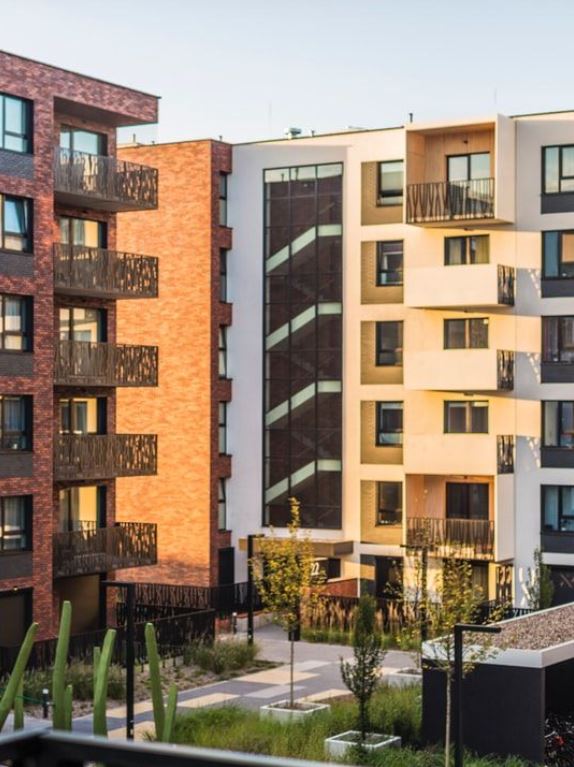
Well-maintained apartment building owned and managed as a rental property.

Coverage Built Around Rental Property Ownership

More Than Insurance for the Building

Protect the Property

Coverage may protect the apartment building, permanent fixtures, common areas, landlord-owned appliances, and other insured property.

Protect the Income

Rental-income coverage may help replace lost rent when tenants must leave because of covered building damage.

Protect the Owner

Liability coverage may help with covered claims involving tenant injuries, visitors, common areas, maintenance, and property operations.

Apartment building owner reviewing property information and insurance documents.

Insurance for Residential Rental Property

What Is Apartment Building Insurance?

Apartment building insurance is commercial property insurance designed for owners who rent residential units to tenants.

A policy can combine coverage for the physical building, landlord-owned property, loss of rental income, lawsuits, medical expenses, equipment breakdown, building-code upgrades, and other property-owner risks.

Small Apartment Buildings

Duplexes, triplexes, fourplexes, and smaller residential buildings may qualify for different insurance programs based on size and occupancy.

Larger Apartment Properties

Buildings with more units, multiple structures, pools, elevators, parking areas, and employees may require a broader commercial-property program.

One Building or a Property Portfolio

Coverage may be reviewed for one apartment building or several properties owned by the same individual, company, partnership, trust, or LLC.

Protect the Physical Property

What Property May Be Insured?

The property list and limits should reflect what the owner is responsible for repairing or replacing after a covered loss.

The Apartment Building

Walls, roofing, flooring, plumbing, wiring, permanent fixtures, built-in cabinets, and other parts of the insured structure.

Landlord-Owned Appliances

Refrigerators, stoves, dishwashers, washers, dryers, water heaters, air conditioners, and other appliances owned by the landlord.

Common Areas

Hallways, stairways, lobbies, laundry rooms, recreation rooms, leasing offices, storage rooms, and shared facilities.

Outdoor Property

Fences, gates, signs, lighting, garages, carports, storage structures, and other property may require specific limits or endorsements.

Maintenance Equipment

Tools, lawn equipment, cleaning equipment, office furniture, computers, supplies, and property used to operate the building.

Recently Completed Improvements

New roofing, electrical work, plumbing, kitchens, bathrooms, flooring, windows, heating systems, and renovations should be included in the property value.

Common Property Losses

Examples of Damage a Policy May Address

Covered causes of loss depend on the policy. Limits, deductibles, exclusions, maintenance, and the source of the damage can affect coverage.

Fire and Smoke

A kitchen fire, electrical fire, or another covered event damages several units and common areas.

Wind and Storm Damage

A covered storm damages the roof, windows, siding, fences, or other insured property.

Water Damage

A sudden pipe break, water-heater failure, or covered plumbing event damages walls, ceilings, floors, or neighboring units.

Theft and Vandalism

Covered damage occurs during a break-in, vandalism event, or theft of landlord-owned property.

Property manager professionally inspecting and documenting damage at an apartment building.

Apartment building owner reviewing rent records and property repair plans.

Protect the Income While Repairs Are Made

Rental Income Coverage

When covered building damage makes units unsafe or unavailable, tenants may need to move out while repairs are completed.

Rental-income coverage may help replace the rent the owner would have collected during the covered repair period, subject to the selected limit and policy terms.

Current Rental Income

The policy should reflect the rent being collected from occupied units and other covered rental sources.

Expected Repair Time

Major fire, water, or structural damage may require months of cleanup, permits, plans, inspections, and construction.

Extra Time After Repairs

Some policies may offer an extended period to help while repaired units are being rented again. Availability varies by carrier.

Protection for Property-Owner Claims

Liability Insurance for Apartment Owners

Liability coverage may help with covered legal defense, settlements, judgments, and medical expenses when the property owner is accused of causing an injury or property damage.

Slips and Falls

A tenant or visitor is injured on stairs, a walkway, a parking area, or another part of the property.

Common-Area Injuries

A claim involves a laundry room, pool, playground, courtyard, lobby, hallway, gym, or shared recreation area.

Maintenance Claims

A tenant claims that delayed maintenance or an unsafe property condition caused an injury or damaged personal property.

Falling Property

A tree limb, sign, ceiling material, fixture, balcony component, or other property causes injury or damage.

Water Damage to Tenant Property

A tenant alleges that the owner’s negligence caused water damage to furniture, electronics, clothing, or other personal property.

Umbrella or Extra Liability

Additional liability limits may be considered for larger properties, multiple buildings, pools, elevators, employees, or higher-value assets.

Build Coverage Around the Entire Property

Important Coverage for Apartment Buildings

The right combination depends on the building, location, age, systems, tenants, amenities, income, employees, and owner responsibilities.

Building Coverage

Helps protect the insured structure and qualifying permanently installed property after a covered loss.

Landlord Property

May protect qualifying appliances, furniture, office equipment, maintenance tools, supplies, and other property owned by the landlord.

Rental Income

May replace covered rental income lost while damaged units are being repaired after a covered loss.

Property-Owner Liability

May help with covered injuries, property-damage claims, medical expenses, and legal defense.

Building-Code Upgrades

May help with certain added costs required to repair or rebuild damaged property according to current building codes.

Equipment Breakdown

May help with certain sudden mechanical or electrical failures involving boilers, electrical equipment, air-conditioning systems, pumps, or elevators.

Sewer and Drain Backup

Water or sewage backing up through drains may require a separate endorsement and limit.

Workers’ Compensation

May provide qualifying benefits for employed property managers, maintenance workers, cleaners, groundskeepers, and office staff.

Flood and Earthquake

Flood and earthquake damage may require separate policies or endorsements and generally should not be assumed to be included automatically.

Insure the Building for the Cost to Rebuild

Market Value Is Not the Same as Replacement Cost

The market price of an apartment property can include the land, location, rental income, demand, and investment value.

Building insurance is generally based on the estimated cost to repair or rebuild the insured structure using current labor, materials, permits, and construction methods.

Renovations, rising construction costs, upgraded interiors, roofing work, new plumbing, and electrical improvements can increase the amount needed to rebuild.

Building Size

Total square footage, number of stories, number of buildings, unit count, construction type, and building layout.

Interior Quality

Flooring, cabinets, countertops, fixtures, appliances, heating systems, cooling systems, and interior finishes.

Special Features

Elevators, fire sprinklers, solar panels, pools, laundry rooms, carports, security gates, garages, and recreation areas.

Construction Costs

Current local labor, materials, debris removal, permits, professional fees, and the cost of meeting present building codes.

The Details Behind the Property Quote

What Insurance Companies May Review

Complete building information helps the insurance company understand the property, estimate rebuilding costs, and review available coverage options.

Year the building was built

Number of rental units

Construction type

Roof age and material

Electrical updates

Plumbing updates

Heating and cooling systems

Fire-protection systems

Occupancy and vacancy

Pools and playgrounds

Elevators and boilers

Past insurance claims

Property owner and maintenance professional inspecting an apartment building.

Maintenance professional inspecting plumbing and water equipment in an apartment building.

One Leak Can Affect Several Units

Water-Damage Protection and Prevention

A pipe, water heater, roof leak, appliance line, drain backup, or unattended leak can damage several apartments and interrupt rental income.

Sudden Water Damage

Certain sudden and accidental water losses may be covered, depending on the cause and policy terms.

Ongoing Leaks and Maintenance

Long-term leaks, wear, corrosion, mold, poor maintenance, and repeated water intrusion may be limited or excluded.

Backup Coverage

Sewer and drain backup coverage may need to be added separately and may include its own deductible and limit.

Separate the Owner’s Property From the Tenant’s Property

Why Tenant Insurance Is Important

The apartment-building policy generally protects the owner’s insured property. It does not automatically protect everything belonging to the tenants.

The Building Owner’s Policy

Generally Protects the Owner

The insured apartment building

Landlord-owned appliances

Common areas and landlord property

The owner’s liability and rental income

A Tenant’s Renters Policy

Can Help Protect the Tenant

Furniture and electronics

Clothing and personal belongings

Tenant liability

Temporary living expenses after a covered loss

Review Major Natural-Disaster Gaps

Flood and Earthquake May Need Separate Coverage

A standard commercial-property policy should not be assumed to cover every type of natural disaster.

Review the property location, flood zone, nearby water, drainage, earthquake exposure, soil conditions, lender requirements, and available deductibles.

Flood Insurance

May protect the insured building against qualifying direct physical loss caused by flood, subject to the selected policy and limits.

Earthquake Insurance

May provide separate protection for qualifying earthquake shaking and related damage, subject to deductibles and policy terms.

Lender Requirements

A lender may require flood, earthquake, wind, or additional property coverage based on the building’s location and loan terms.

Rental Income After a Disaster

Confirm whether rental-income protection is included in the separate flood or earthquake policy rather than assuming the main policy will respond.

Protect the Property Before a Loss

Apartment Building Safety and Maintenance

Documented inspections, repairs, tenant communication, and emergency procedures can help reduce losses and support a stronger insurance application.

Inspect roofs regularly

Repair leaks promptly

Test smoke alarms

Maintain fire extinguishers

Keep walkways well lit

Use handrails and guards

Inspect electrical systems

Service heating equipment

Document tenant complaints

Keep repair records

Control keys and access

Maintain emergency contacts

Apartment property manager inspecting common areas and building safety systems.

Apartment Building Insurance Learning Center

Understand the Coverage Behind Your Property

Explore simple guides about rebuilding values, rental income, water damage, liability, building-code upgrades, and tenant insurance.

Apartment owner reviewing building replacement costs and construction information.

Building Value

Market Value vs. Replacement Cost

Learn why the property’s selling price is different from the estimated cost to rebuild the apartment building.


Compare the Values

Property owner reviewing rental income while an apartment building is being repaired.

Income Protection

How Rental Income Coverage Works

Understand how covered building damage may affect rent and how long repairs and tenant move-ins can take.


Review Income Protection

Maintenance professional identifying water damage and plumbing problems in an apartment building.

Water Damage

Leaks, Pipe Breaks, and Drain Backup

Learn how the cause, length of time, maintenance, mold, and backup coverage can affect a water-damage claim.


Understand Water Coverage

Apartment owner reviewing common area and tenant liability risks.

Owner Liability

Liability Risks for Apartment Owners

Review common-area injuries, maintenance claims, pools, parking areas, security, pets, and visitor exposures.


Review Liability Risks

Apartment building owner reviewing permits and current building-code requirements.

Rebuilding Requirements

Building-Code Upgrade Coverage

Learn why an older apartment building may cost more to repair when current electrical, plumbing, fire, or accessibility codes apply.


Review Code Coverage

Apartment owner and tenant reviewing the difference between building and renters insurance.

Owner and Tenant Coverage

Building Insurance vs. Renters Insurance

Understand what the landlord’s policy may protect and why tenants should insure their own belongings and liability.


Compare the Policies

Apartment Building Insurance Questions

Apartment Owner Insurance FAQs

Review common questions about buildings, rental income, tenants, liability, water damage, employees, flood, earthquake, and coverage limits.

What insurance does an apartment building owner need?

An apartment owner may need building coverage, landlord-property coverage, rental-income protection, liability insurance, equipment breakdown, building-code coverage, sewer-backup coverage, workers’ compensation, umbrella insurance, and separate flood or earthquake coverage.

Does apartment building insurance cover the tenants’ belongings?

Generally, the building owner’s policy does not insure a tenant’s furniture, electronics, clothing, and other personal belongings. Tenants should consider renters insurance.

What is rental-income coverage?

Rental-income coverage may help replace rent lost when covered building damage makes units unavailable and tenants must move out during repairs.

How much building coverage should I carry?

The limit should be based on the estimated cost to rebuild the insured structure rather than only the purchase price, loan amount, tax value, or market value.

Does the policy cover water damage?

Certain sudden and accidental water damage may be covered. Long-term leaks, poor maintenance, mold, flooding, and sewer backup may be excluded, limited, or require separate coverage.

Does apartment building insurance cover tenant injuries?

Liability coverage may help when the owner is legally responsible for a covered tenant or visitor injury. The facts, property condition, maintenance history, and policy terms will be reviewed.

Are pools and playgrounds automatically covered?

Not always. Pools, spas, playgrounds, gyms, recreation areas, balconies, and other amenities should be disclosed. Safety requirements, fencing, signs, inspections, and higher liability limits may apply.

Do I need workers’ compensation for maintenance employees?

Workers’ compensation may be required when the owner employs property managers, maintenance workers, cleaners, groundskeepers, security personnel, or other employees. Requirements vary by state.

Is flood damage covered by the main property policy?

Flood damage generally requires separate flood insurance and should not be assumed to be included in the standard apartment-building policy.

Is earthquake damage covered?

Earthquake damage may be excluded from the standard property policy and may require a separate earthquake policy or endorsement.

Can a vacant apartment building be insured?

Options may be available, but vacancy can affect eligibility, coverage, pricing, theft protection, vandalism coverage, inspections, and security requirements. Planned renovations should also be disclosed.

Can several apartment buildings be insured together?

Possibly. Several properties may be included in one program when accepted by the insurance company. Each location, building value, unit count, income, construction type, and loss history must be reported.

What affects the cost of apartment building insurance?

Pricing may depend on location, building age, construction, roof, plumbing, electrical systems, unit count, rebuilding value, rental income, amenities, vacancy, maintenance, security, fire protection, claims, limits, and deductibles.

The Building. The Income. The Investment.

Coverage Built Around Your Apartment Property

Best Formula Insurance can help review your buildings, rental units, landlord property, rental income, liability, employees, amenities, rebuilding value, claims, and available coverage options.


Request a Property Quote


Call (888) 242-9922

Important: This page provides general insurance information and does not modify, expand, or guarantee coverage. Apartment-building eligibility, property values, rental-income coverage, liability, water damage, building-code coverage, equipment breakdown, flood, earthquake, employees, amenities, limits, deductibles, endorsements, exclusions, and pricing vary by insurance company, state, property, and individual risk. All coverage is subject to the terms and conditions of the issued policies.