SMART INSURANCE FOR THE REAL WORLD

Transportation

Light Auto, Medium Auto, Long Haul, Tow Trucks, Sand & Gravel, Intermodal, Cargo and more.

More Info

Business

Business Owner's Policy, Workers' Compensation, Cyber, Real Estate, Restaurants, Retail, and more.

More Info

Contractors

General Liability, Builder's Risk, Tools, Professional Liability, Tools & Equipment, Bond's and more.

More Info

Personal

Auto, Home, Motorcycle, RVs, ATVs Boats, Classic Car, Renters, Condominiums' and more.

More Info

Physical Damage

PROTECT THE VEHICLES YOUR BUSINESS DEPENDS ON

Help Protect Your Investment When a Commercial Vehicle Is Damaged

Commercial and transportation vehicles can represent some of a business’s largest investments. Physical Damage Insurance is designed to help protect qualifying insured vehicles against covered collision and non-collision losses.

Physical Damage Insurance focuses on your insured vehicle. Depending on the policy, it may include Collision, Comprehensive, or Specified Causes of Loss coverage for tractors, trucks, trailers, vans, pickups, commercial cars, and other eligible business vehicles.

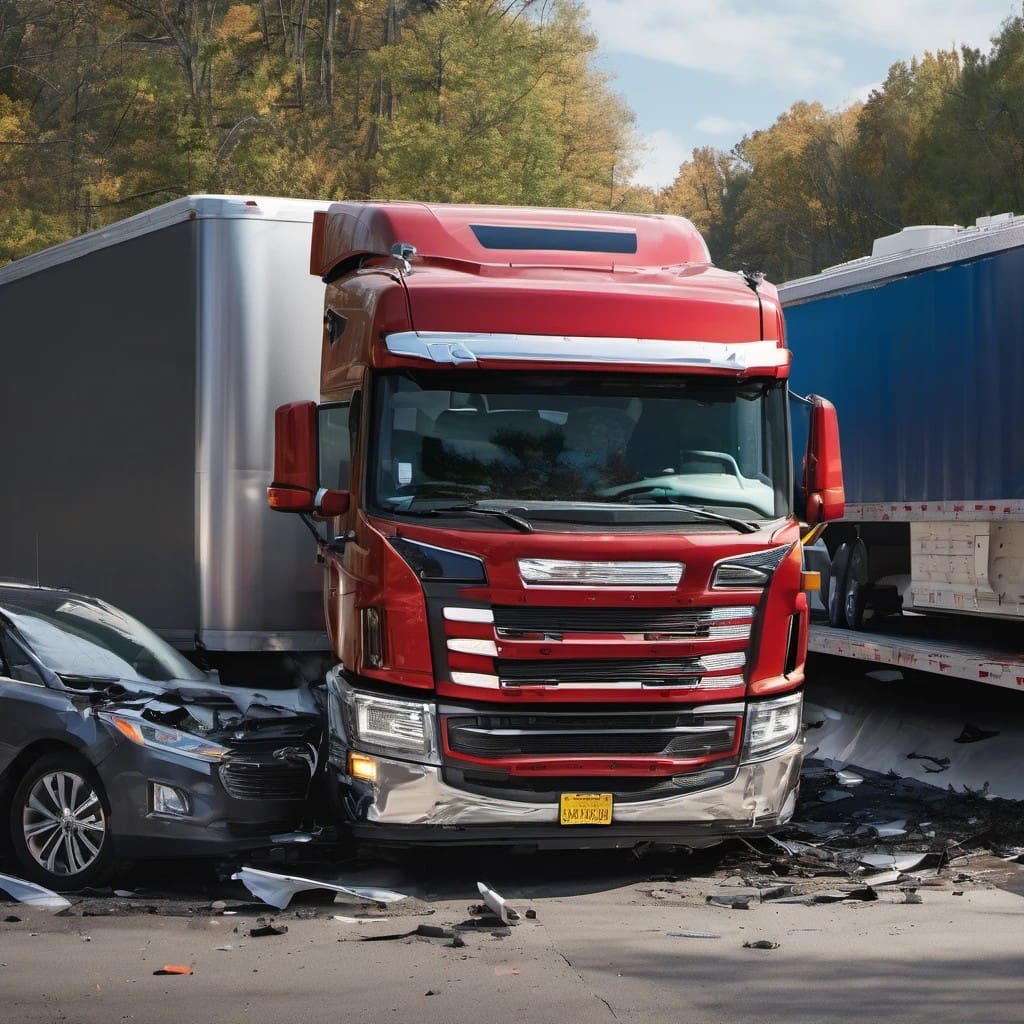
Commercial trucks and business vehicles representing physical damage insurance.

COVERAGE FOR THE VEHICLE ITSELF

What Is Commercial Vehicle Physical Damage Insurance?

Physical Damage Insurance helps protect qualifying insured commercial vehicles when they are damaged by covered causes of loss. It is especially important when a business has significant money invested in tractors, trucks, trailers, vans, pickups, or other vehicles that would be costly to repair or replace.

WHEN THE VEHICLE COLLIDES

Collision Coverage

Collision coverage may help repair or replace a qualifying insured commercial vehicle when it is damaged by a covered collision or overturn, subject to the deductible, valuation provisions, exclusions, and other policy terms.

Collision With Another Vehicle

A covered tractor, truck, van, pickup, or other insured vehicle is damaged after colliding with another automobile.

Collision With an Object

A vehicle strikes a barrier, pole, wall, loading structure, stationary object, or another object during a qualifying covered loss.

Rollover or Overturn

A commercial vehicle or scheduled trailer rolls onto its side or overturns during a qualifying accident.

WHEN DAMAGE HAPPENS WITHOUT A COLLISION

Comprehensive Coverage

Comprehensive coverage may help protect a qualifying insured commercial vehicle against certain covered non-collision losses. The actual covered causes of loss depend on the policy.

Theft

May help when a qualifying insured vehicle is stolen, subject to policy conditions and claim requirements.

Fire & Vandalism

May help with qualifying physical damage caused by fire, vandalism, malicious mischief, or other covered causes of loss.

Weather & Other Events

Hail, wind, falling objects, animal contact, and other non-collision losses may be covered depending on the policy form.

ANOTHER PHYSICAL DAMAGE OPTION

Specified Causes of Loss

Some commercial vehicle policies offer Specified Causes of Loss instead of Comprehensive coverage. Rather than broadly covering qualifying non-collision damage subject to exclusions, this form generally responds only to causes of loss specifically listed in the policy.

Why this matters: Comprehensive and Specified Causes of Loss are not interchangeable. Businesses should understand which form they purchased and which causes of loss are actually insured.

FROM BUSINESS CARS TO TRACTOR-TRAILERS

Physical Damage for Many Types of Commercial Vehicles

Eligibility varies by insurance company, vehicle type, value, age, use, condition, business operation, and other underwriting factors.

Tractors

Day cabs, sleeper tractors, and other eligible commercial tractors.

Straight Trucks

Eligible straight trucks used in commercial and transportation operations.

Box Trucks

Local, regional, delivery, distribution, and other qualifying box trucks.

Dump Trucks

Eligible dump trucks and specialized commercial truck configurations.

Tow Trucks

Eligible wreckers, rollbacks, and other towing vehicles.

Cargo & Passenger Vans

Commercial vans used in qualifying business operations.

Pickups & Business Cars

Eligible pickups, sedans, SUVs, and other company vehicles.

Owned Trailers

Qualifying owned trailers may be scheduled for physical damage protection.

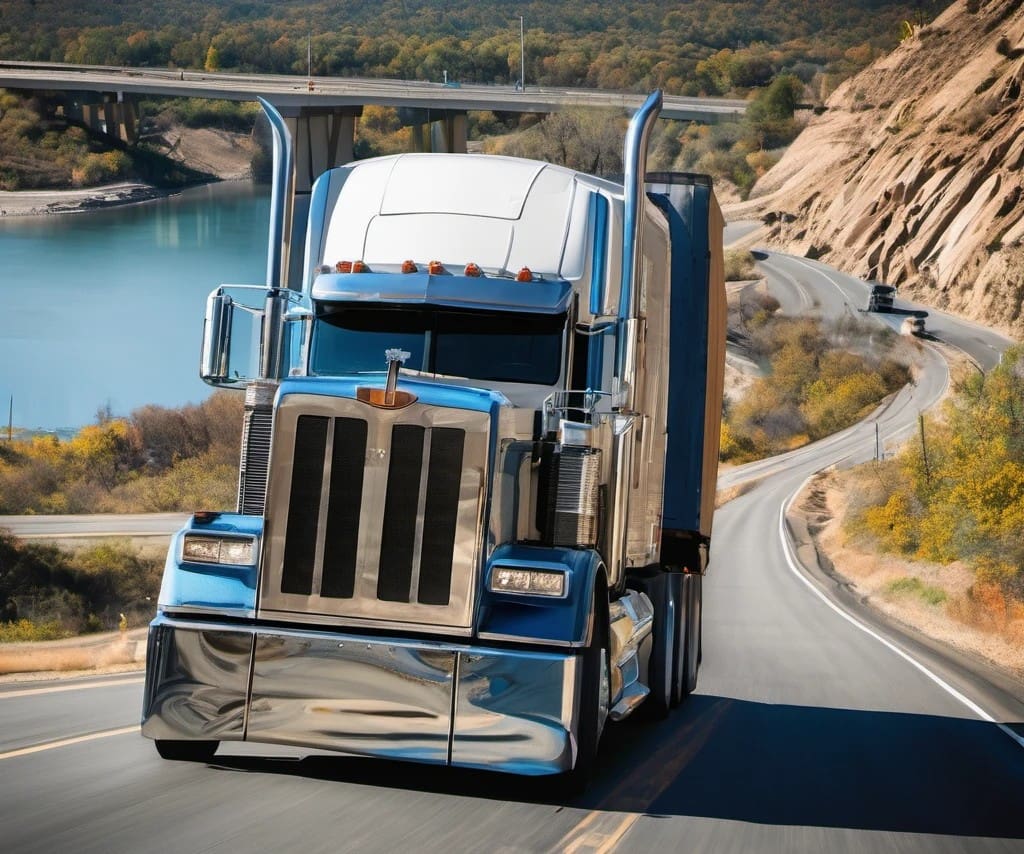
Commercial tractor and owned trailer representing physical damage insurance.

DO NOT FORGET THE TRAILER

Physical Damage for Owned Commercial Trailers

A business that owns trailers may have substantial value invested beyond the power unit. Qualifying owned trailers can often be scheduled for physical damage coverage when eligible.

Dry Vans & Reefers

Eligible owned dry van and refrigerated trailers may be scheduled based on their values and the applicable policy structure.

Flatbeds & Specialized Trailers

Flatbeds, step decks, dump trailers, and other eligible owned trailers may require accurate descriptions and values.

Owned vs. Non-Owned Matters

Physical Damage for an owned trailer should not automatically be assumed to apply to equipment the business does not own. Ownership and policy scheduling matter.

YOUR VEHICLE VALUE CAN CHANGE OVER TIME

Make Sure the Values on Your Policy Still Make Sense

Commercial vehicle values can change as equipment ages, vehicles are replaced, expensive components are added, or the fleet changes. Reviewing scheduled values periodically can help keep the policy aligned with the equipment being insured.

THE LIMIT, VALUE & DEDUCTIBLE ALL MATTER

Understanding Commercial Vehicle Physical Damage Before a Loss

The biggest physical damage questions often appear after an accident: How is the vehicle valued? What deductible applies? Is attached equipment included? What happens if the vehicle is a total loss? Those details are worth understanding before a claim occurs.

THE NUMBER ON THE VEHICLE SCHEDULE DESERVES ATTENTION

How Is a Commercial Vehicle Valued After a Total Loss?

Physical damage policies can use different valuation provisions. The amount shown on a policy schedule should not automatically be assumed to be the amount that will be paid after a total loss. The policy’s valuation language determines how the settlement is calculated.

Actual Cash Value

Some policies use the vehicle’s actual cash value at the time of loss, considering factors such as age, condition, mileage, equipment, and market value.

Stated Amount

A stated amount can establish a maximum used in the loss settlement calculation, but it does not necessarily guarantee that exact amount will be paid.

Policy Wording Controls

The loss-settlement provision should be reviewed to understand whether payment is based on actual cash value, stated amount, cost of repair, another valuation method, or the least of specified calculations.

HOW MUCH OF THE LOSS DOES THE BUSINESS RETAIN?

Choosing a Physical Damage Deductible

The deductible is generally the amount applied to a covered physical damage loss before the insurer’s payment is calculated. Higher deductibles may reduce premium, but they also increase the amount the business may have to absorb after a loss.

Vehicle Value

A deductible that makes sense for a $25,000 commercial vehicle may not be appropriate for a tractor worth substantially more.

Fleet Size

A business operating multiple vehicles should consider how much it could comfortably absorb if several physical damage losses occur.

Collision vs. Comprehensive

Policies may apply different deductibles to Collision, Comprehensive, Specified Causes of Loss, theft, or other qualifying physical damage losses.

REAL-WORLD VEHICLE DAMAGE

Examples of Physical Damage Losses

Tractor Is Damaged in a Collision

A covered tractor collides with another vehicle and requires substantial repairs to the front end, suspension, cab, or other components.

Commercial Vehicle Is Stolen

A qualifying insured truck, van, or other commercial vehicle is stolen from an eligible location.

Truck Rolls Over

A covered dump truck, tractor-trailer, box truck, tow truck, or other commercial vehicle overturns during a qualifying accident.

Hail Damages Several Vehicles

A severe storm damages multiple covered commercial vehicles parked at the same business or fleet location.

Vehicle Is Vandalized

Windows, body panels, mirrors, lights, or other vehicle components are intentionally damaged in a qualifying vandalism loss.

Fire Causes a Total Loss

A fire severely damages a qualifying insured commercial vehicle and the insurance company determines that repairing it is not economically practical.

THE CHASSIS MAY NOT REPRESENT THE FULL VALUE

Attached Equipment Can Add Significant Value

Commercial vehicles often contain equipment that can substantially increase their total value. The policy and scheduled vehicle value should accurately reflect eligible permanently installed equipment when applicable.

Tow & Recovery Equipment

Wheel lifts, booms, winches, rollback beds, hydraulic systems, and other qualifying permanently installed equipment can materially affect vehicle value.

Dump Bodies & Specialized Bodies

Dump bodies, refrigeration units, service bodies, liftgates, and other installed components can make the complete commercial vehicle worth considerably more than the chassis alone.

Accurate Values Matter

When significant equipment is permanently installed, the business should understand how that equipment is treated under the physical damage policy and vehicle valuation.

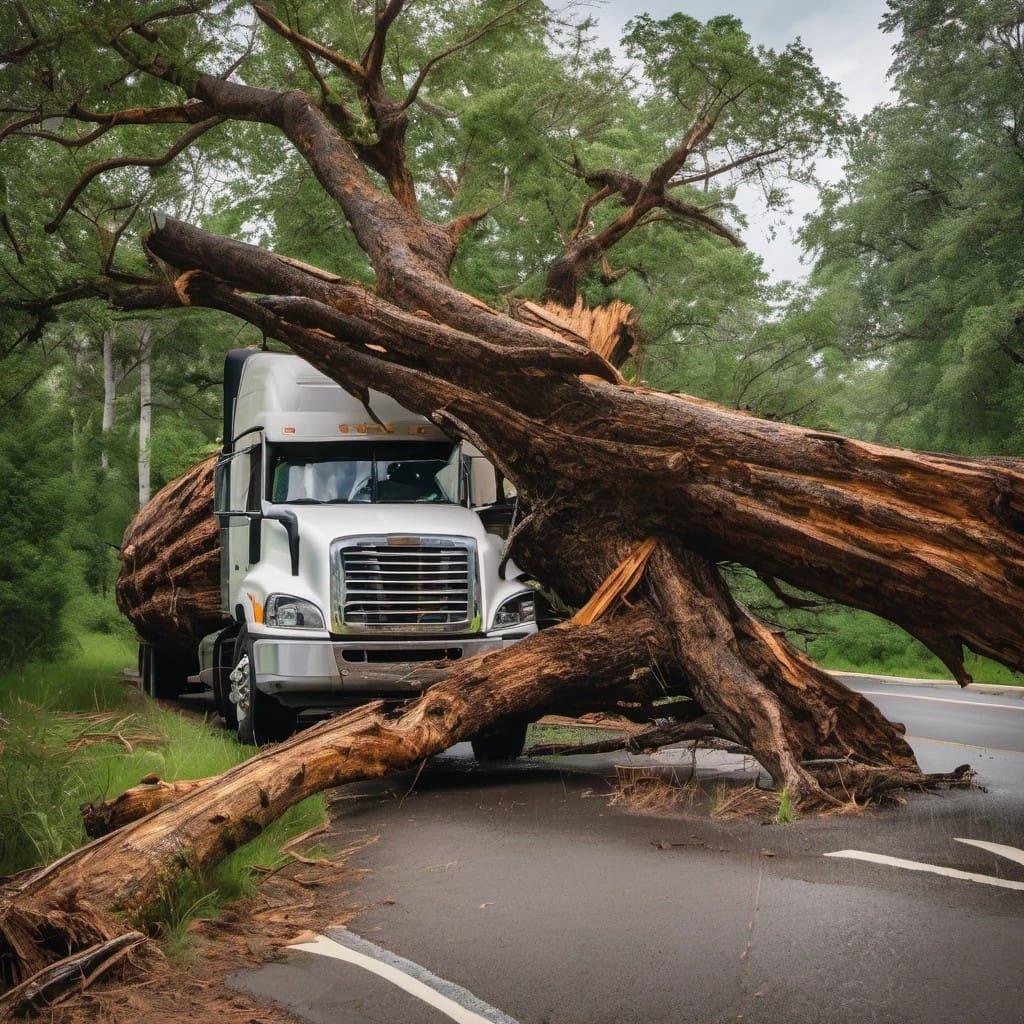
Commercial truck with permanently installed specialized equipment representing vehicle physical damage value.

WHEN SOMEONE ELSE HAS A FINANCIAL INTEREST IN THE VEHICLE

Financed & Leased Commercial Vehicles

A lender or leasing company may require physical damage coverage while it has a financial interest in the commercial vehicle. The policy may identify the applicable lender, lessor, or loss payee according to the arrangement and insurer requirements.

Vehicle Loan

Lenders commonly require qualifying physical damage coverage while there is an outstanding loan secured by the vehicle.

Vehicle Lease

Commercial lease agreements may establish physical damage requirements, deductibles, valuation provisions, or other insurance conditions.

Loss Payee Information

The lender or leasing company may need to be properly shown on the policy according to the applicable insurance and financing arrangement.

WHEN REPAIRING THE VEHICLE NO LONGER MAKES SENSE

What Happens When a Commercial Vehicle Is a Total Loss?

The insurance company will generally evaluate the extent of damage, repair costs, vehicle value, applicable valuation method, deductible, salvage considerations, and policy terms before determining whether a covered vehicle is a total loss.

Vehicle Condition

Age, mileage, condition, maintenance, specifications, equipment, and comparable vehicles may be relevant when value is evaluated.

Repair Cost

The estimated cost to safely repair the vehicle is generally compared with applicable valuation and total-loss criteria.

Deductible

The applicable physical damage deductible can reduce the amount payable for a qualifying covered loss.

Valuation Provision

The policy’s loss-settlement language ultimately determines how the insurer calculates the covered amount payable.

DO NOT SET THE VALUE ONCE AND FORGET IT

When Should You Review Physical Damage Coverage?

When Buying a New Vehicle
When Selling a Vehicle
After Adding Equipment
When Refinancing
When Market Values Change
When Changing Deductibles
When Adding Trailers
At Each Policy Renewal

Physical Damage Learning Center

Understand How Your Commercial Vehicle Is Protected

Explore practical information about vehicle valuation, deductibles, total losses, collision, comprehensive coverage, and protecting commercial equipment.

Vehicle Valuation

Actual Cash Value vs. Stated Amount: What’s the Difference?

Learn why the value shown on a commercial vehicle policy does not always represent a guaranteed claim payment and how physical damage valuation may work after a total loss.

Deductibles

How Should You Choose a Commercial Vehicle Physical Damage Deductible?

Understand how vehicle values, fleet size, claim frequency, cash flow, Collision deductibles, Comprehensive deductibles, and business risk tolerance can affect the decision.

ADDING OR REPLACING COMMERCIAL VEHICLES?

Make Sure the New Equipment Is Properly Reflected on the Policy

Vehicle values, permanently installed equipment, trailer values, deductibles, financing arrangements, and the selected physical damage coverage can all change when equipment is added or replaced.

Commercial Vehicle Physical Damage Questions

Physical Damage Insurance FAQs

Clear answers about Collision, Comprehensive, Specified Causes of Loss, commercial vehicle values, deductibles, total losses, trailers, financing, and specialized equipment.

What is commercial vehicle Physical Damage Insurance?

Physical Damage Insurance helps protect qualifying insured commercial vehicles against covered physical loss or damage. Coverage commonly includes Collision and Comprehensive, or another eligible physical damage form.

What does Collision coverage protect?

Collision may help repair or replace a qualifying insured commercial vehicle when it is damaged in a covered collision with another vehicle or object, or when it overturns, subject to the deductible and policy terms.

What does Comprehensive coverage protect?

Comprehensive may help protect against qualifying non-collision physical damage such as theft, vandalism, fire, hail, falling objects, animal contact, or other covered causes of loss.

What is Specified Causes of Loss coverage?

Specified Causes of Loss generally provides physical damage protection only for causes of loss specifically listed in the policy. It may be offered as an alternative to Comprehensive coverage in some commercial vehicle programs.

Does Physical Damage Insurance cover theft of a truck?

Theft may be covered under qualifying Comprehensive or applicable Specified Causes of Loss coverage, subject to policy conditions, exclusions, deductibles, and claim requirements.

Does Physical Damage cover a truck rollover?

A qualifying rollover or overturn is generally evaluated under Collision coverage, subject to the deductible, exclusions, valuation provisions, and policy terms.

Does Physical Damage cover fire?

Qualifying fire damage may be covered under Comprehensive or another applicable physical damage form, depending on the policy.

Does Physical Damage cover vandalism?

Qualifying vandalism or malicious mischief may be covered under Comprehensive coverage, subject to the applicable policy terms and deductible.

Can Physical Damage cover hail damage?

Qualifying hail damage may be covered under Comprehensive coverage or another applicable physical damage form, depending on the policy.

Can I insure only Physical Damage on a commercial vehicle?

Physical Damage-only options may be available for certain eligible commercial vehicles and situations depending on the insurance company, ownership, operating arrangement, financing requirements, and other underwriting factors.

Can owner-operators buy Physical Damage Insurance?

Yes, qualifying owner-operators may be able to purchase physical damage protection for their tractor and eligible owned equipment. Availability depends on the operation and underwriting guidelines.

Can Physical Damage cover a financed truck?

Yes, eligible financed commercial vehicles can generally carry physical damage coverage, and the lender may require it while the loan remains outstanding.

Can Physical Damage cover a leased commercial vehicle?

Eligible leased vehicles may be covered depending on the policy and lease arrangement. The leasing company may impose specific physical damage requirements.

Can owned trailers have Physical Damage coverage?

Qualifying owned trailers may be scheduled for physical damage coverage. Trailer type, age, value, use, and insurer eligibility can affect available coverage.

Is the stated value on my policy guaranteed after a total loss?

Not necessarily. A stated amount may function as part of the loss-settlement calculation or as a maximum amount rather than a guaranteed settlement. The policy’s valuation provision controls how a covered total loss is calculated.

What is actual cash value?

Actual cash value generally reflects the value of the vehicle at the time of loss and may consider age, mileage, condition, equipment, comparable vehicles, market conditions, and other applicable factors.

How does a Physical Damage deductible work?

The applicable deductible is generally the portion of a covered loss applied before the insurer’s payment is calculated. Different physical damage coverages may have different deductibles.

Should I choose a higher Physical Damage deductible?

A higher deductible may reduce premium but increases the amount the business may have to absorb after a covered loss. Vehicle value, fleet size, cash flow, claim frequency, and risk tolerance should be considered.

Does Physical Damage cover permanently installed equipment?

Qualifying permanently installed equipment may be included depending on the policy, how the vehicle is described, the value shown, and the type of equipment. Specialized commercial vehicles should be reviewed carefully.

How does the insurer decide whether a commercial vehicle is totaled?

The insurer will generally evaluate repair costs, vehicle value, extent of damage, applicable state requirements, salvage considerations, valuation provisions, and policy terms when determining whether the vehicle is a total loss.

Should I update the insured value as my truck gets older?

Commercial vehicle values can change over time. Reviewing scheduled values at renewal and after significant market, equipment, financing, or vehicle changes can help keep the policy information current.

Does Physical Damage cover normal mechanical breakdown?

Physical Damage Insurance generally should not be assumed to cover ordinary mechanical breakdown, wear and tear, deterioration, maintenance, or equipment failure unless resulting damage is specifically covered under the policy.

Does Physical Damage cover wear and tear?

Wear and tear, gradual deterioration, maintenance issues, and ordinary aging are generally not treated as accidental physical damage losses. The policy exclusions determine how these situations are handled.

What affects the cost of Commercial Vehicle Physical Damage Insurance?

Pricing may depend on vehicle type, value, age, equipment, garaging location, operation, mileage, drivers, deductibles, selected physical damage coverage, prior losses, fleet size, financing arrangements, and insurance company underwriting guidelines.

TRACTORS. TRUCKS. TRAILERS. VANS. PICKUPS. COMMERCIAL VEHICLES.

Protect the Equipment Your Business Has Invested In

Best Formula Insurance can help transportation companies and businesses review Physical Damage Insurance for eligible commercial vehicles, including Collision, Comprehensive, Specified Causes of Loss, vehicle valuation, deductibles, owned trailers, and permanently installed equipment.

Important: This page provides general information about Commercial Vehicle Physical Damage Insurance and does not modify, expand, guarantee, or confirm insurance coverage, vehicle valuation, eligibility, pricing, claim payment, or total-loss settlement. Collision, Comprehensive, Specified Causes of Loss, theft, fire, vandalism, weather, glass, rollover, permanently installed equipment, owned trailers, loss payees, valuation methods, deductibles, total-loss calculations, repair provisions, exclusions, and other physical damage terms vary by insurance company, state, vehicle type, ownership, operation, vehicle value, financing arrangement, equipment, condition, age, and individual circumstances. A stated amount or scheduled value should not be interpreted as a guaranteed claim payment unless specifically provided by the issued policy. Mechanical breakdown, wear and tear, maintenance, deterioration, and other causes may be excluded or limited. All coverage is subject to applicable law and the terms, conditions, definitions, exclusions, limits, deductibles, valuation provisions, endorsements, schedules, and requirements of the issued policy.