SMART INSURANCE FOR THE REAL WORLD

Transportation

Light Auto, Medium Auto, Long Haul, Tow Trucks, Sand & Gravel, Intermodal, Cargo and more.

More Info

Business

Business Owner's Policy, Workers' Compensation, Cyber, Real Estate, Restaurants, Retail, and more.

More Info

Contractors

General Liability, Builder's Risk, Tools, Professional Liability, Tools & Equipment, Bond's and more.

More Info

Personal

Auto, Home, Motorcycle, RVs, ATVs Boats, Classic Car, Renters, Condominiums' and more.

More Info

Restaurants, Bars & Taverns
Restaurant & Bar Insurance

Insurance Built Around the Real Risks of Running a Restaurant or Bar

From a kitchen fire or customer injury to food spoilage, liquor liability, employee injuries, equipment breakdown, delivery exposures, and an unexpected shutdown, restaurants and bars face risks that can affect the entire operation.

A restaurant insurance program should be built around how your business actually operates. Your cooking equipment, alcohol sales, seating, payroll, property, hours, delivery operations, entertainment, and other characteristics can all influence the coverage you may need.

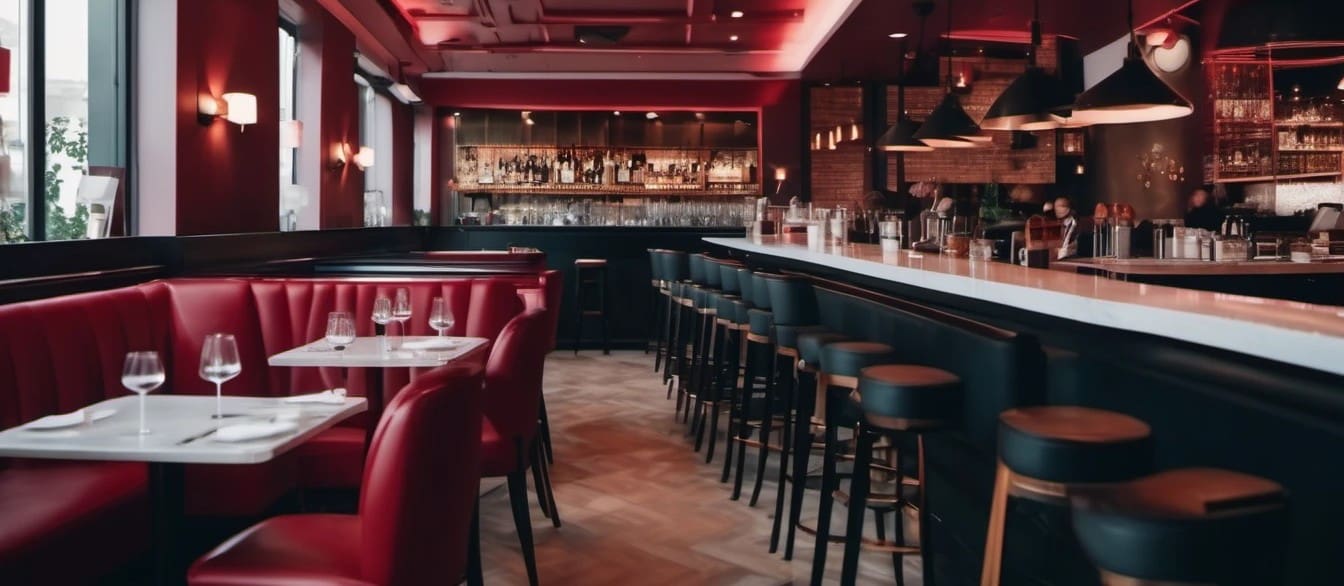
Busy professionally operated restaurant and bar with dining tables, commercial kitchen, servers, and customers.

Restaurant Risk Is Different

Why Restaurants & Bars Need Specialized Business Insurance

Restaurants combine property, employees, customers, food preparation, heat, electricity, gas, refrigeration, inventory, cash flow, technology, and potentially alcohol under one roof. A serious loss can affect several parts of the business at the same time.

Professional restaurant commercial kitchen with cooking equipment, ventilation hood, refrigeration, and fire suppression systems.

Cooking & Fire Exposure

Open flames, fryers, grills, ovens, electrical equipment, grease accumulation, gas lines, ventilation systems, and high-temperature cooking can create significant property-loss exposures.

Constant Customer Traffic

Wet floors, crowded dining areas, stairs, parking lots, food service, furniture, and other premises conditions can result in bodily-injury or property-damage claims.

Perishable Inventory

A refrigeration or electrical problem can potentially destroy thousands of dollars in refrigerated or frozen food before the restaurant can reopen.

One Loss Can Affect the Entire Operation

A fire may damage the building and equipment, destroy inventory, stop operations, interrupt revenue, and require extensive repairs. Restaurant insurance should be reviewed as a coordinated insurance program rather than as a single coverage.

Different Concepts. Different Exposures.

Insurance for Many Types of Food & Beverage Businesses

The appropriate insurance depends on the operation. A neighborhood café has a different risk profile from a nightclub, full-service restaurant, brewery, or restaurant with delivery drivers.

Full-Service Restaurants
Fast-Casual Restaurants
Bars & Taverns
Cafés & Coffee Shops
Pizzerias
Bakeries
Food Trucks
Breweries & Taprooms
Sports Bars
Nightclubs & Lounges
Ice Cream & Dessert Shops
Other Food-Service Operations

Build the Insurance Around the Operation

Important Insurance Coverages for Restaurants & Bars

Not every restaurant needs the exact same insurance program. These are some of the major coverages that should be evaluated when protecting a food-service business.

General Liability

May help protect the restaurant from qualifying third-party bodily injury, property damage, and other liability claims, including certain slip-and-fall and premises-related incidents.

Commercial Property

May protect qualifying buildings, restaurant equipment, furniture, improvements, inventory, and other insured business property against covered causes of loss.

Business Income

May help replace qualifying lost business income and certain continuing expenses when operations are suspended because of covered direct physical damage.

Workers’ Compensation

May provide benefits for qualifying work-related employee injuries or illnesses, subject to applicable state requirements and policy terms.

Liquor Liability

Important for businesses that sell or serve alcohol. Coverage may respond to qualifying claims arising from the sale or service of alcoholic beverages, subject to applicable law and policy terms.

Equipment Breakdown

May cover qualifying mechanical, electrical, or pressure-system breakdown to covered restaurant equipment and potentially related losses, depending on the policy.

Spoilage Coverage

May help cover qualifying loss of perishable food or other stock following certain covered refrigeration, equipment, contamination, or power-related events, depending on the policy.

Commercial Auto

Restaurants that own vehicles for deliveries, catering, supply runs, or other business operations should evaluate commercial auto insurance.

Cyber Liability

Restaurants frequently process payment-card transactions and maintain customer or employee information. Cyber coverage may help address qualifying data breaches, cyber incidents, and related expenses.

Protect More Than the Four Walls

Restaurant Property Insurance

The cost of rebuilding a restaurant can extend far beyond tables and chairs. Commercial kitchens contain specialized equipment and improvements that can represent a substantial investment.

Cooking Equipment

Ranges, ovens, fryers, grills, broilers, steamers, warming equipment, and other insured cooking equipment.

Refrigeration

Walk-in coolers, freezers, refrigerators, ice machines, and other qualifying insured equipment.

Furniture & Fixtures

Tables, chairs, booths, bars, shelving, décor, POS equipment, and other business personal property.

Tenant Improvements

Depending on ownership and the lease, improvements such as flooring, walls, counters, lighting, plumbing, electrical work, and built-in fixtures may need to be insured.

Restaurant kitchen with commercial ovens, grills, refrigeration equipment, prep areas, and ventilation system.

One of the Most Important Restaurant Exposures

Commercial Kitchen Fire Risk

Restaurant kitchens combine high temperatures, cooking oils, combustible materials, electrical equipment, gas, and continuous operations. Fire protection and kitchen maintenance can therefore play an important role in underwriting and loss prevention.

Hood & Duct Cleaning

Grease can accumulate in commercial exhaust systems. Appropriate inspection and professional cleaning schedules can be an important part of restaurant fire prevention.

Fire Suppression Systems

Commercial cooking operations may require appropriate automatic fire-suppression equipment that is properly inspected, serviced, and maintained.

Portable Extinguishers

Appropriate fire extinguishers should be accessible and maintained. Commercial kitchens involving combustible cooking media may require specialized extinguishing equipment.

Electrical & Gas Systems

Damaged wiring, overloaded circuits, improperly maintained appliances, gas leaks, and equipment failures can create serious fire and property exposures.

Cooking Practices

Fryers, grills, ranges, ovens, solid-fuel cooking, and other cooking methods can affect both insurance eligibility and pricing.

Tell Us How You Cook

The type of cooking equipment and fuel used should be accurately disclosed. A restaurant with deep fryers can present a different exposure from a café serving primarily prepared foods.

Property Insurance Repairs the Property. What About the Revenue?

Business Income Insurance Can Be Critical for Restaurants

After serious covered property damage, the restaurant may be unable to serve customers for days, weeks, or longer. Repairing the physical damage is only part of the financial problem.

Consider the Financial Impact of Being Closed

Revenue can stop while rent, loan payments, certain payroll obligations, utilities, insurance, and other continuing expenses may remain. Business income coverage may help with qualifying lost income and continuing expenses when a covered cause of loss suspends operations, subject to policy terms and applicable waiting periods or limits.

Lost Business Income

Coverage may help replace qualifying income the business would have earned during a covered suspension.

Continuing Expenses

Certain necessary expenses may continue even while the restaurant cannot operate normally.

Extra Expense

Depending on the policy, coverage may help with certain additional expenses incurred to reduce the interruption or continue operations.

Protect the Systems That Keep the Restaurant Running

Equipment Breakdown & Food Spoilage

A restaurant depends on refrigeration, electrical systems, cooking equipment, HVAC, and other machinery every day. A breakdown can create both an equipment loss and an inventory problem.

Equipment Breakdown

Depending on the policy, equipment breakdown coverage may help with qualifying sudden and accidental mechanical or electrical breakdown to covered equipment.

Examples may include: refrigeration equipment, electrical systems, HVAC equipment, boilers, pressure equipment, and other covered machinery.

Spoilage

A refrigeration failure, qualifying equipment breakdown, or other covered event could result in loss of meat, seafood, produce, dairy products, frozen inventory, beverages, and other perishable stock.

Spoilage coverage varies significantly by policy, including the covered causes of loss, limits, deductibles, exclusions, and whether off-premises utility interruption is covered.

Professional bartender serving drinks at a well-managed restaurant bar.

Selling Alcohol Changes the Risk

Liquor Liability Insurance

Restaurants, bars, nightclubs, breweries, and other businesses that sell or serve alcoholic beverages should specifically review liquor liability rather than assuming their general liability policy provides all of the protection they need.

Alcohol-Related Liability

Liquor liability may respond to qualifying claims alleging injury or property damage arising from the sale or service of alcohol, subject to applicable law and policy provisions.

Alcohol Sales Matter

The percentage of revenue generated from alcohol, hours of operation, type of establishment, entertainment, security, prior incidents, and alcohol-service procedures can affect underwriting.

Bars Can Require a More Specialized Review

Late-night operations, high alcohol-to-food sales, dancing, live entertainment, security personnel, cover charges, special events, and other characteristics can materially change the insurance exposure.

Especially Important for Bars & Nightlife

Assault & Battery Coverage Should Be Reviewed Carefully

Restaurants and bars should not assume that every altercation is automatically covered under general liability or liquor liability. Assault-and-battery exclusions and limitations can significantly affect coverage.

Customer Altercations

Claims can arise from fights or physical confrontations involving customers or other individuals on the premises.

Security Personnel

Using employees or contracted security can create additional liability considerations that should be disclosed and reviewed.

Read the Exclusion

Coverage may be excluded, limited, or separately endorsed. Bars, lounges, nightclubs, and late-night restaurants should pay particular attention to this issue.

The Product You Serve Creates Liability Too

Foodborne Illness & Product Liability

A restaurant’s liability exposure does not end when food leaves the kitchen. Allegations involving contaminated food, foodborne illness, or other problems with products sold or served can result in claims.

Foodborne Illness

A customer may allege that food purchased from the restaurant caused illness or injury.

Products-Completed Operations

General liability policies may provide coverage for certain qualifying claims arising from products sold or distributed, subject to policy terms and exclusions.

Contamination & Recall

Standard liability or property coverage should not automatically be assumed to cover every contamination event, recall expense, reputation loss, or business shutdown. Specialized coverage may be needed for certain exposures.

Protect the People Who Keep the Restaurant Running

Workers’ Compensation for Restaurant Employees

Restaurant employees work around knives, hot surfaces, fryers, wet floors, heavy supplies, repetitive movements, cleaning chemicals, and other hazards. Workers’ compensation should be an important part of the restaurant’s insurance review.

Burns

Hot oil, grills, ovens, steam, hot liquids, cookware, and kitchen equipment can cause serious employee injuries.

Cuts

Knives, slicers, broken glass, food-processing equipment, and other sharp objects can create frequent injury exposures.

Slips & Falls

Water, grease, food, ice, cleaning activity, and fast-paced working conditions can contribute to employee falls.

Lifting Injuries

Employees may lift food deliveries, beverage cases, kitchen supplies, garbage, furniture, and other heavy items.

Accurate Payroll Matters

Workers’ compensation premiums can be affected by payroll and employee classifications. Accurate records are important for underwriting and premium audits.

Delivery Creates an Automobile Exposure

Restaurant Delivery & Vehicle Insurance

Restaurants should disclose delivery operations when arranging insurance. The appropriate auto coverage can depend on who owns the vehicles and who performs the deliveries.

Restaurant-Owned Vehicles

Vehicles titled to the business and used for deliveries, catering, supply runs, or other operations should be evaluated for commercial auto insurance.

Employee-Owned Vehicles

When employees use personal vehicles for restaurant business, hired and non-owned auto liability may be an important coverage consideration. It does not replace the employee’s own required automobile insurance.

Third-Party Delivery Platforms

Using an outside delivery platform does not mean every restaurant-related exposure automatically transfers to that company. Contracts and insurance responsibilities should be reviewed carefully.

Modern Restaurants Are Technology Businesses Too

POS Systems, Online Orders & Cyber Risk

Restaurants increasingly depend on point-of-sale systems, online ordering, payment processors, reservation systems, payroll platforms, Wi-Fi, delivery integrations, email, and cloud-based business systems.

Payment Information

Payment-card transactions and related systems can create data-security and cyber exposures.

Employee Information

Payroll, tax, hiring, scheduling, and HR systems may contain sensitive employee information.

Cyber Insurance

Depending on the policy, cyber coverage may help with qualifying breach-response costs, notification, forensic services, cyber liability, restoration expenses, business interruption, and other covered cyber events.

Go Beyond the Basic Policy

Additional Coverages Worth Reviewing

Depending on the restaurant’s size, ownership structure, employees, contracts, alcohol sales, vehicles, and operations, additional coverage may be appropriate.

Commercial Umbrella

May provide additional liability limits over certain underlying policies, subject to the umbrella policy’s terms, exclusions, and required underlying insurance.

Employment Practices Liability

May help with qualifying employment-related claims involving allegations such as discrimination, harassment, wrongful termination, or certain other employment practices.

Crime Coverage

Coverage may be available for certain qualifying losses involving employee dishonesty, theft, forgery, money, securities, or other covered crime exposures.

Utility Services

Certain endorsements may provide coverage for qualifying losses caused by interruption of specified off-premises utility services, subject to policy terms.

Ordinance or Law

May help with certain additional costs resulting from enforcement of applicable building codes or ordinances following qualifying covered damage.

Flood & Earthquake

Standard commercial property coverage should not automatically be assumed to include flood or earthquake. Separate policies or endorsements may be necessary.

Before Signing the Lease

Restaurant Owners Should Understand Their Lease Insurance Requirements

Commercial leases can place significant insurance responsibilities on the restaurant tenant. Review the insurance provisions before opening whenever possible.

Required Liability Limits

The lease may specify minimum general liability, liquor liability, auto, workers’ compensation, umbrella, or other insurance requirements.

Additional Insured

The landlord or other parties may need to be added as additional insureds when required by written contract and permitted by the applicable policy.

Tenant Improvements

Determine whether the tenant or landlord is responsible for insuring buildouts, improvements, fixtures, and other property installed inside the restaurant.

Certificate Requirements

Landlords commonly request evidence of insurance. A certificate documents insurance information but does not independently change or expand the policy’s coverage.

Prepare for the Quote

Information That May Be Needed to Quote Restaurant Insurance

Accurate information helps the insurance company understand the operation and can reduce delays during underwriting.

Annual Sales
Estimated or historical gross restaurant revenue.
Alcohol Sales
Percentage and amount of revenue generated from alcohol.
Payroll
Estimated annual payroll and employee job classifications.
Cooking Equipment
Fryers, grills, ranges, ovens, solid-fuel cooking, and other equipment.
Fire Protection
Hood systems, suppression systems, extinguishers, alarms, and sprinklers.
Hours of Operation
Opening and closing times, including late-night operations.
Entertainment
Live music, DJs, dancing, karaoke, special events, or other entertainment.
Delivery
Whether deliveries are performed and who owns the vehicles.
Property Values
Equipment, furniture, inventory, improvements, and building value when applicable.
Seating & Occupancy
Customer capacity, square footage, and operational characteristics.
Prior Insurance
Current or previous coverage and insurance history.
Claims History
Prior property, liability, liquor, auto, workers’ compensation, and other relevant losses.

Restaurant & Bar Learning Center

Understand the Risks Behind Your Restaurant Insurance

Use these resources to better understand restaurant property, liquor liability, business interruption, kitchen fire exposures, equipment breakdown, spoilage, and other important insurance considerations.

Commercial restaurant kitchen with professionally maintained cooking and fire suppression equipment.

Property Protection

What Happens If a Kitchen Fire Shuts Down Your Restaurant?

Understand how property insurance, business income, equipment coverage, food inventory, and other coverages may interact after a serious covered restaurant fire.

Explore Restaurant Fire Coverage

Restaurant bartender professionally serving alcoholic beverages at a commercial bar.

Alcohol Liability

General Liability vs. Liquor Liability: What’s the Difference?

Learn why businesses that sell or serve alcohol should specifically review liquor liability and why general liability should not automatically be assumed to cover alcohol-related claims.

Learn About Liquor Liability

Commercial walk-in restaurant refrigerator containing organized perishable food inventory.

Equipment & Inventory

Does Restaurant Insurance Cover Food Spoilage?

Learn how refrigeration breakdowns, equipment failure, utility interruption, and policy limitations can affect coverage for perishable restaurant inventory.

Explore Spoilage Coverage

Temporarily closed restaurant dining room representing business interruption after property damage.

Business Continuity

Could Your Restaurant Survive Being Closed for 60 Days?

Understand why repairing the building is only part of recovery and how business income insurance may help protect qualifying revenue and continuing expenses after covered property damage.

Learn About Business Income

Restaurant Insurance Questions

Restaurant & Bar Insurance FAQs

Important answers about liability, property, alcohol, employees, food spoilage, equipment, delivery, leases, business interruption, and other restaurant insurance considerations.

What insurance does a restaurant need?

Coverage depends on the restaurant’s operation, but common considerations include general liability, commercial property, business income, workers’ compensation, equipment breakdown, spoilage, commercial auto or hired and non-owned auto, cyber liability, and liquor liability when alcohol is sold or served. Other specialized coverages may also be appropriate.

What does restaurant general liability insurance cover?

General liability may cover qualifying third-party bodily injury, property damage, products-completed operations, and certain other liability claims, subject to policy terms, limits, exclusions, and endorsements.

Does restaurant insurance cover customer slip-and-fall claims?

General liability may respond to qualifying bodily-injury claims involving customers who slip or fall on the premises, subject to the facts of the claim and policy provisions.

Does restaurant insurance cover a kitchen fire?

Commercial property insurance may cover qualifying fire damage to insured property. The outcome depends on the policy, cause of loss, covered property, limits, deductibles, exclusions, endorsements, and compliance with applicable policy conditions.

Does restaurant insurance cover food poisoning claims?

Certain qualifying claims alleging bodily injury from food sold or served by the restaurant may fall within products-completed operations coverage under a general liability policy. Coverage depends on the specific circumstances and policy terms.

Do restaurants need liquor liability insurance?

Restaurants that sell or serve alcoholic beverages should specifically evaluate liquor liability. Requirements and liability standards vary by jurisdiction, contract, license, and operation.

Is liquor liability included in general liability insurance?

A business engaged in selling, serving, or furnishing alcohol should not assume its standard general liability policy provides the liquor liability protection it needs. Liquor liability should be specifically reviewed with the insurance agent or broker.

What is assault and battery coverage?

Assault and battery coverage relates to certain claims involving physical altercations. Some restaurant, bar, liquor liability, or general liability policies may exclude or restrict these claims, making the wording particularly important for bars, lounges, nightclubs, and establishments with security or late-night operations.

What is restaurant business income insurance?

Business income coverage may help replace qualifying lost income and certain continuing expenses when restaurant operations are suspended because of covered direct physical damage, subject to policy terms, limits, waiting periods, and the applicable period of restoration.

Does restaurant insurance cover spoiled food?

Spoilage coverage may be available for qualifying loss of perishable stock resulting from specified covered events. Coverage varies significantly by policy, including whether equipment breakdown or off-premises utility interruption is included.

What is equipment breakdown insurance for a restaurant?

Equipment breakdown insurance may cover qualifying sudden and accidental mechanical, electrical, or pressure-system breakdown of covered equipment. It can complement commercial property insurance because not every type of equipment failure is treated as a standard property loss.

Does a restaurant need workers’ compensation insurance?

Workers’ compensation requirements depend on applicable state law and the business’s circumstances. Restaurant employees can face significant occupational exposures including burns, cuts, falls, lifting injuries, and other workplace injuries.

Does my restaurant need commercial auto insurance for delivery?

Restaurant-owned vehicles used for delivery or other business purposes should be evaluated for commercial auto insurance. When employees use personal vehicles for restaurant business, hired and non-owned auto liability may also be an important consideration.

Do restaurants need cyber insurance?

Restaurants can have cyber exposure through POS systems, payment transactions, online ordering, payroll, employee information, reservations, email, Wi-Fi, and other technology. Cyber insurance should be evaluated based on the restaurant’s systems and data exposure.

Can a restaurant insure tenant improvements?

Potentially. Restaurant buildouts can include flooring, walls, counters, plumbing, electrical improvements, lighting, bars, kitchen installations, and other fixtures. Ownership and insurance responsibility should be reviewed together with the commercial lease.

Does restaurant insurance cover outdoor dining?

Outdoor dining should be disclosed. Patios, sidewalk seating, furniture, heaters, umbrellas, alcohol service, customer traffic, and property located outside the building can create additional property and liability considerations.

Does live entertainment affect restaurant or bar insurance?

It can. Live bands, DJs, dancing, karaoke, stages, special events, security, cover charges, and late-night operations can change the liability exposure and insurance underwriting.

Does a restaurant need umbrella insurance?

A commercial umbrella may be appropriate when the restaurant wants or is contractually required to carry liability limits above certain underlying policies. The appropriate limits depend on the business’s exposures, contracts, assets, and risk tolerance.

Does restaurant property insurance cover flood or earthquake?

Flood and earthquake should not automatically be assumed to be included in standard commercial property insurance. Separate policies or endorsements may be needed depending on the location and desired protection.

Why does the insurance company ask how much alcohol we sell?

Alcohol sales can materially affect liability exposure. Insurance companies may evaluate alcohol as a percentage of total revenue along with hours, entertainment, security, type of establishment, service practices, and prior incidents.

Why does the insurance company ask about fryers and cooking equipment?

Cooking methods directly affect the restaurant’s fire exposure. Fryers, grills, ranges, ovens, solid-fuel cooking, open flames, hood systems, and fire-suppression equipment may influence insurance eligibility, requirements, and pricing.

What affects the cost of restaurant insurance?

Pricing may be affected by location, annual sales, payroll, alcohol sales, cooking methods, property values, building construction, fire protection, operating hours, entertainment, delivery, claims history, coverage limits, deductibles, insurance company guidelines, and other characteristics of the business.

Restaurants. Bars. Cafés. Food Service.

Build an Insurance Program Around the Way Your Restaurant Actually Operates

Best Formula Insurance can help review your restaurant’s liability, property, equipment, employees, alcohol sales, food inventory, delivery operations, business income, and other exposures to identify insurance options appropriate for the business.