Business Owner’s Policy (BOP)

Several Important Coverages in One Policy
What Does a Business Owners Policy Cover?
A Business Owners Policy, commonly called a BOP, packages several core commercial insurance protections together. The exact coverage varies by insurance company, but qualifying businesses can often combine general liability, commercial property, and business income coverage within one policy.

Core Coverage
General Liability
May help with qualifying claims involving bodily injury, property damage, personal and advertising injury, and certain legal defense costs when your business is legally responsible.
Core Coverage
Commercial Property
May help protect qualifying business property such as furniture, equipment, inventory, tenant improvements, and in some cases the building when it is owned by the insured business.
Business Continuity
Business Income
May help replace qualifying lost business income and certain continuing expenses when operations are interrupted because of a covered property loss.
Protect the Things Your Business Depends On
Commercial Property Can Include More Than the Building
Furniture
Desks, chairs, shelving, counters, displays, and other business furnishings.
Equipment
Computers, machinery, appliances, point-of-sale systems, and other qualifying business equipment.
Inventory
Qualifying merchandise, stock, supplies, materials, and products held for sale.
Improvements
Tenant improvements, fixtures, cabinetry, flooring, and other qualifying additions made to leased space.
Building
When the business owns its building, qualifying building coverage may be included depending on the policy and property.
Insurance for the Interruption — Not Just the Damage
What Happens if a Covered Loss Temporarily Closes the Business?
Repairing damaged property is only one part of recovering from a serious loss. A business may also lose revenue while rent, payroll, utilities, loan payments, and other expenses continue.
Lost Business Income
May help replace qualifying income the business would have earned during a covered suspension of operations.
Continuing Expenses
Certain ordinary operating expenses may continue even when a business cannot operate normally.
Extra Expense
Depending on the policy, coverage may help with certain additional expenses incurred to reduce the interruption or continue operations.
Coverage Trigger Matters
Business income coverage generally requires a qualifying covered cause of loss and is subject to waiting periods, limits, time periods, and other policy provisions.
One Policy Can Do More Than Liability Alone
Does Your Business Need Property and Income Protection Too?
Best Formula Insurance can help determine whether a BOP makes sense for your business and compare available liability, property, business income, deductible, and endorsement options.
Designed for Qualifying Small & Medium Businesses
What Types of Businesses May Qualify for a BOP?
BOP eligibility varies significantly by insurance company. Insurers generally look at the type of business, annual revenue, payroll, square footage, property values, location, years in business, loss history, and the services or products provided.
Retail Stores
Boutiques, specialty stores, gift shops, clothing stores, and other qualifying retail businesses.
Professional Offices
Administrative offices, consulting offices, real estate offices, accounting offices, and other qualifying office-based businesses.
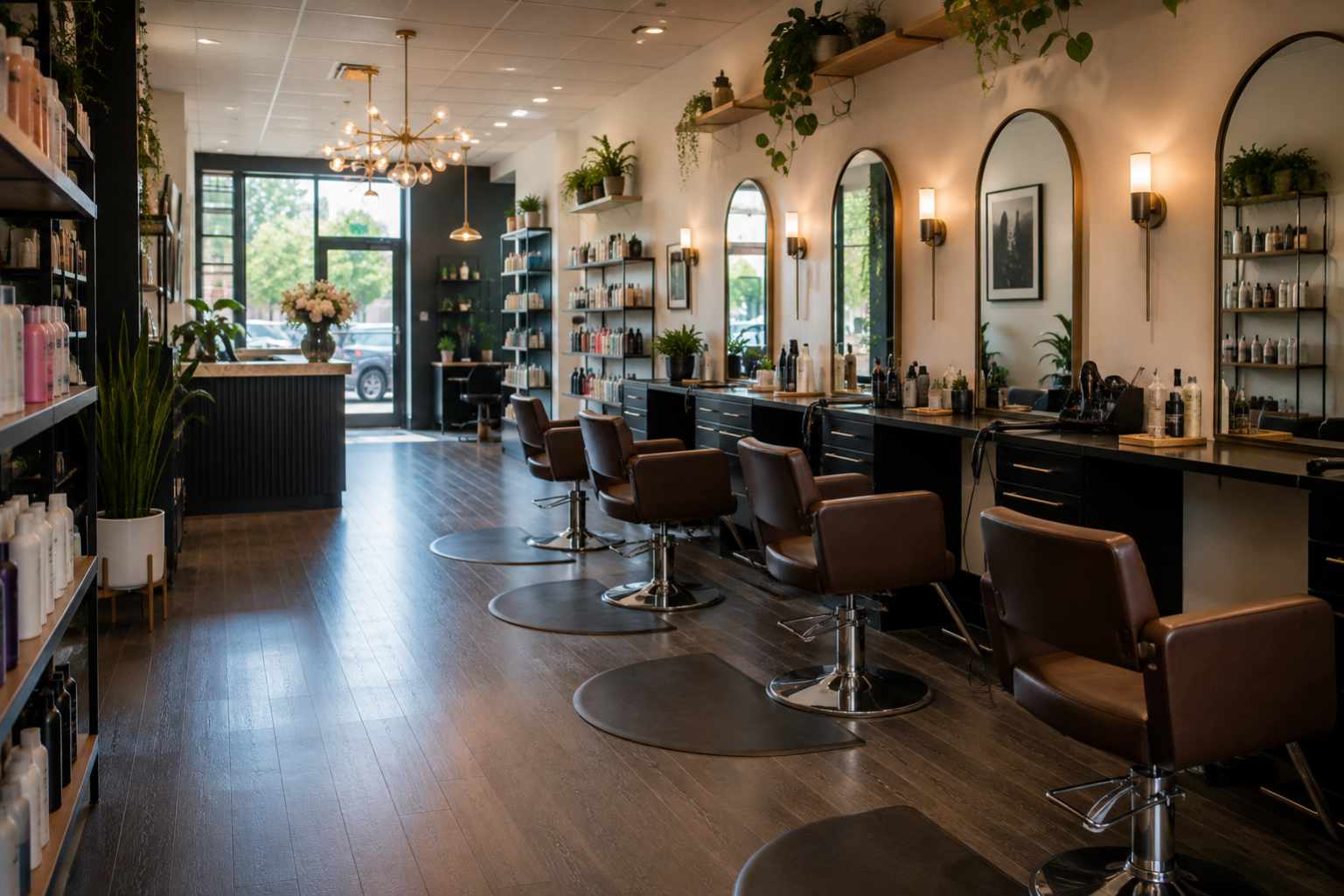
Salons & Personal Services
Hair salons, barbershops, nail salons, beauty businesses, and other qualifying personal-service operations.
Restaurants & Food Businesses
Certain restaurants, cafés, bakeries, coffee shops, and food-service businesses may qualify depending on operations.
Service Businesses
Qualifying repair shops, cleaning businesses, pet services, print shops, photography studios, and other local service operations.
Building Owners
Certain owners of small commercial buildings may qualify depending on occupancy, tenants, property characteristics, and underwriting guidelines.
The Business Classification Matters
What Insurance Companies Review Before Offering a BOP
Business Operations
The products sold, services performed, customers served, work performed away from the premises, and other day-to-day activities.
Revenue & Payroll
Annual sales, payroll, number of employees, and expected business growth may affect eligibility and rating.
Location & Building
Construction, occupancy, square footage, protection class, age, updates, neighboring businesses, and property condition may be considered.
Property Values
Inventory, equipment, furniture, improvements, building value, and other business property should be estimated accurately.
Claims History
Prior property, liability, theft, fire, water, and other insurance claims may affect underwriting.
Special Exposures
Alcohol, cooking, delivery, professional services, cyber exposure, valuable property, hazardous products, and other activities may require additional review.
Build Beyond the Basic Package
Additional Coverage Options May Be Available
A BOP can often be customized with endorsements and additional coverages. Availability varies by insurance company and business classification.
Equipment Breakdown
May help with certain qualifying sudden mechanical or electrical breakdowns involving insured equipment.
Water Backup
Optional protection may be available for qualifying losses caused by certain sewer, drain, or sump backups.
Spoilage
Certain food-related businesses may have options for qualifying spoilage losses caused by covered equipment or power-related events.
Employee Dishonesty
Certain crime-related protection may be available for qualifying losses involving employee theft or dishonesty.
Cyber Coverage
Some insurance companies offer limited cyber endorsements or separate cyber policies for qualifying data breaches and cyber incidents.
Umbrella Liability
Commercial umbrella insurance may provide another layer of liability protection above qualifying underlying business policies.
A BOP Is Broad — But It Is Not Every Business Policy
Coverage Your Business May Still Need Separately
Workers’ Compensation
Employee workplace injuries are generally handled through workers’ compensation insurance rather than the BOP.
Commercial Auto
Business-owned vehicles generally require commercial auto insurance rather than relying on the BOP.
Professional Liability
Errors, omissions, professional advice, and specialized professional services may require separate professional liability coverage.
Employment Practices
Claims involving employment discrimination, harassment, wrongful termination, and other employment practices generally require separate coverage or an endorsement.
Flood & Earthquake
Flood and earthquake losses may require separate coverage and should not automatically be assumed to be included.
Specialized Operations
Higher-hazard, professional, manufacturing, transportation, contractor, or other complex exposures may require a different commercial insurance program.
Business Owners Policy Learning Center
Understand the Insurance Behind Your Business
Explore practical guides explaining the difference between liability and property coverage and why business income protection can be an important part of a BOP.


Opening, Expanding, or Moving?
Business Changes Can Change Your Insurance Needs
A new location, additional employees, higher sales, more inventory, new equipment, expanded services, or a larger building can affect the limits and coverage your business needs.
Business Owners Policy Questions
Business Owners Policy FAQs
Clear answers about BOP insurance, general liability, commercial property, business income, eligibility, leased locations, building coverage, equipment, inventory, deductibles, and additional commercial insurance.
Liability. Property. Business Income. One Business Policy.
Build Insurance Around the Business You Are Growing
Best Formula Insurance can help review your business operations, liability exposure, equipment, inventory, property values, lease requirements, business income needs, deductibles, and available Business Owners Policy options.