
septiembre 28, 2026
Best Formula KnowledgeFor many cleaning businesses, the owner is also the person doing the work. You schedule the jobs, drive to the customer’s property, bring the supplies, perform the cleaning, and handle the business. Even a small cleaning company can face risks involving customer property, injuries, employees or helpers, vehicles, equipment, and access to homes and businesses.
Best Formula Insurance
Insurance for Cleaning Businesses
Small Business Insurance
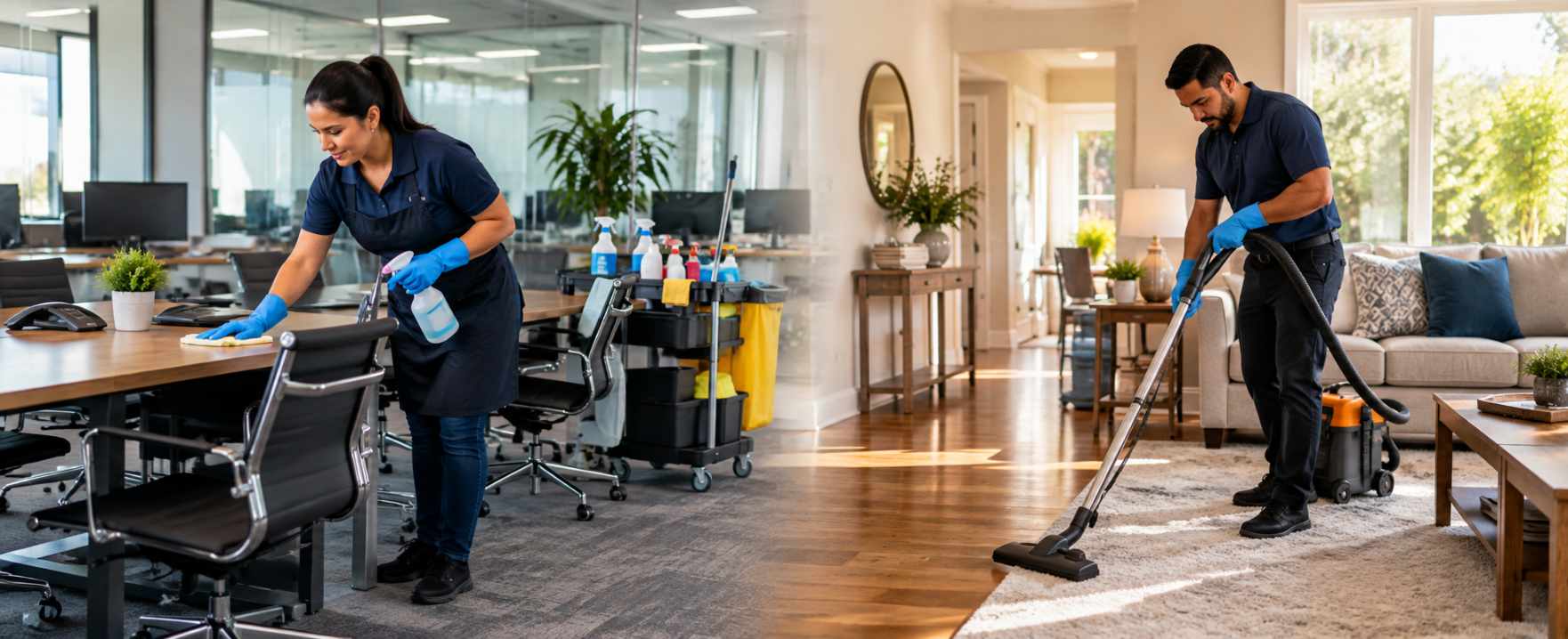
You don’t need a large janitorial company with dozens of employees to have business risks. A one-person residential cleaner, a small office cleaning company, or an owner working with a few helpers can all face unexpected situations.
You’re working inside someone else’s home or business. You may handle furniture, electronics, flooring, fixtures, and other property. You may carry cleaning equipment and supplies from job to job and drive to several customer locations in the same day.
Business insurance can help protect the cleaning business you’ve worked to build—but different risks may require different types of coverage.
The Short Answer
What Insurance Should a Small Cleaning Business Consider?
A cleaning business may need general liability, a Business Owner’s Policy (BOP), workers’ compensation, commercial auto, business property or equipment coverage, and potentially a business bond. Other coverage may become relevant depending on whether you have employees, what types of properties you clean, and how your business operates.
Inside Your Customer’s Property
When Your Workplace Belongs to Someone Else
A cleaning business is different from a business where customers simply walk into a store. Your work often takes place inside someone else’s home, office, store, apartment building, or other property.
That means you’re regularly around property that doesn’t belong to you. Floors, furniture, appliances, electronics, windows, fixtures, artwork, and personal belongings may all be around you while you work.
Even when you’re careful, accidents can happen. That’s one reason insurance can be especially important for a cleaning business.
A Simple Example
One Cleaning Job Can Create More Than One Type of Risk
You’re cleaning a customer’s home. While working, cleaning solution accidentally damages an expensive surface. Later, the homeowner walks across an area you’re cleaning, slips, and alleges that the accident caused an injury.
Now imagine you also had someone helping you that day and that person was injured while carrying cleaning equipment.
Those situations involve different exposures. Customer property, third-party liability, and injuries involving someone working for you may not all be addressed by the same coverage.
Building Your Protection
Insurance a Cleaning Business May Want to Review
The coverage you need depends on what you clean, who works with you, the equipment you use, your customers, and how your business operates.
Customer Claims
General Liability
May help address certain third-party claims involving bodily injury, property damage, and other covered liability exposures.
Business Protection
Business Owner’s Policy
A BOP may combine certain general liability and business property coverage for qualifying cleaning businesses, with additional options potentially available.
People Who Work With You
Workers’ Compensation
Provides benefits for qualifying work-related employee injuries and illnesses and may be required when your cleaning business has employees.
Between Jobs
Commercial Auto
May be appropriate when vehicles are owned by the business or used in ways that create commercial auto exposures.
Tools & Equipment
Business Property / Equipment
Coverage may be available for qualifying cleaning equipment, machines, tools, supplies, and other business property against covered losses.
Customer Confidence
Business Bonds
Certain cleaning businesses may consider bonding depending on customer requirements, contracts, and the type of services being performed.
General Liability
What Happens If Someone Says Your Cleaning Business Caused an Injury?
Cleaning naturally involves wet floors, equipment, supplies, cords, and people moving through the area where you’re working.
For example, a customer or visitor could allege that they slipped in an area you were cleaning and were injured.
General liability insurance may help address certain covered bodily injury and property damage claims made against your business. Commercial customers, property managers, and other clients may also ask you to provide proof of liability insurance before allowing you to perform work.
You’re Working Around Their Property
What If You Accidentally Damage Something While Cleaning?
Even experienced cleaners can have accidents. The wrong product may be used on a surface, equipment may bump into furniture, or an item may accidentally be damaged while you’re working.
Flooring
Furniture
Appliances
Windows
Fixtures
Electronics
Personal Property
The details matter. Coverage for property damage depends on what happened, what property was involved, and the terms, conditions, and exclusions of the applicable policy.
Important
“I’m Careful” Isn’t the Same Thing as “I’m Insured”
Being careful is important, but accidents and allegations can still happen. Insurance is designed to help address qualifying unexpected losses—not replace good business practices. A cleaning business should understand both the precautions it takes and the protection provided by its insurance.
Different Jobs. Different Exposures.
What Type of Cleaning Do You Do?
Not every cleaning business operates the same way. The properties you enter, services you perform, equipment you use, and customers you serve can affect the insurance that should be reviewed.
House Cleaning
Working inside customers’ homes around furniture, flooring, appliances, personal belongings, pets, and other property.
Office Cleaning
Working around office furniture, electronics, employees, customers, and property that belongs to another business.
Move-In / Move-Out
Cleaning homes, apartments, and rental properties during tenant or owner transitions.
Vacation Rentals
Regularly entering furnished properties, handling turnovers, and working around guest and owner property.
Commercial Cleaning
Cleaning offices, stores, facilities, and other commercial properties that may have contractual insurance requirements.
Your Cleaning Business
Your insurance should reflect the work you actually perform—not simply the words “cleaning business.”
When Someone Works With You
What If You Have a Helper or Employee?
You may normally clean by yourself but bring someone with you for larger homes, office jobs, move-out cleanings, or busy days. Or your business may grow to the point where someone regularly works alongside you.
Cleaning can involve lifting, repetitive movement, wet surfaces, stairs, equipment, and other situations where someone working for you could be injured.
How a worker is classified can affect your responsibilities. If someone works for your cleaning business, discuss the arrangement with your insurance professional and understand the workers’ compensation requirements that apply in your state.
From One Customer to the Next
Your Cleaning Business May Spend a Lot of Time on the Road
For many cleaners, driving is part of the workday. You may leave home in the morning, travel to several customers, carry cleaning supplies or equipment, and return home after the final job.
Personal auto insurance and commercial auto insurance are not the same. If a vehicle is owned by your business or regularly used for business activities, discuss how the vehicle is being used and whether commercial auto coverage should be considered.
Insurance & Bonding
Does a Cleaning Business Need to Be Bonded?
Customers sometimes ask whether a cleaning company is “insured and bonded.” Insurance and bonds are not the same thing, and a bond does not replace general liability or other business insurance.
Depending on the type of cleaning business and customer requirements, certain bond options may be worth reviewing.
If a customer, property manager, or contract requires you to be bonded, find out exactly what type of bond and amount is required before purchasing it.
Think About Your Business
Questions to Ask About Your Cleaning Business
- Do I clean homes, businesses, or both?
- Do customers give me keys, codes, or access to their property?
- Could I accidentally damage expensive customer property?
- Do I use specialized cleaning machines or equipment?
- Do I have an employee or someone who regularly helps me?
- Do I drive between several cleaning jobs each day?
- Does my vehicle carry business equipment and supplies?
- Do commercial customers ask me for a Certificate of Insurance?
- Does a customer or contract require me to be bonded?
- Would I be able to handle a large claim against my business on my own?
Frequently Asked Questions
Questions Small Cleaning Businesses Ask About Insurance
Do I need insurance if I clean houses by myself?
Working by yourself does not eliminate business risk. You are still entering customer property, working around their belongings, using cleaning products and equipment, and potentially facing claims involving injuries or property damage.
What insurance do I need to clean offices?
The appropriate coverage depends on your operation and customer requirements. General liability is commonly important, while a Business Owner’s Policy, workers’ compensation, commercial auto, equipment coverage, bonds, and other insurance may also need to be considered.
What if I accidentally damage something in a customer’s home?
Whether a loss is covered depends on the circumstances and the specific policy. General liability can address certain third-party property damage claims, but exclusions, limitations, and other policy provisions can affect coverage.
Do I need workers’ compensation if someone helps me clean?
That depends on the working relationship and applicable state law. Do not assume that calling someone an independent contractor automatically determines their legal classification. Explain the arrangement when reviewing your insurance.
Is being bonded the same as having insurance?
No. Bonds and insurance serve different purposes. A cleaning business should not assume that having a bond replaces general liability, workers’ compensation, commercial auto, or other insurance coverage.
Can Best Formula Insurance help insure my cleaning business?
Depending on your business, state, eligibility, and available insurance markets, Best Formula Insurance can help review insurance options for cleaning businesses and explore qualifying programs from multiple insurance companies and specialty markets.
Insurance for Cleaning Businesses
You Take Care of Your Customers’ Property. Protect the Business Behind the Work.
Tell us what you clean, where you work, whether anyone helps you, and how your business operates. Best Formula Insurance can help you review coverage options that may fit your cleaning business.
Bilingual Staff English & Spanish
About Best Formula Insurance
Insurance Guidance for the Real World
Best Formula Insurance is an independent insurance agency helping individuals, families, business owners, contractors, and transportation professionals review insurance options from multiple insurance companies. Our goal is to understand what you are trying to protect, explain available coverage options, and help you find an insurance solution that makes sense for your situation.
Personal Insurance
Protect Your Home, Vehicles & Personal Assets
We can help with auto, homeowners, renters, condo, landlord, motorcycle, RV, earthquake, umbrella, and other qualifying personal insurance needs.
Business Insurance
Protect the Business You’ve Worked to Build
Coverage options may include general liability, business owners policies, commercial property, workers’ compensation, professional liability, cyber insurance, commercial auto, and umbrella coverage.
Contractor Insurance
Coverage Built Around the Work You Perform
We can help contractors review general liability, workers’ compensation, commercial auto, tools and equipment, builder’s risk, professional liability, excess liability, and bonds.
Transportation & Commercial Auto
Insurance for Businesses That Depend on the Road
Our transportation options may include commercial auto, trucking, tow trucks, intermodal operations, dump trucks, livery, cargo, physical damage, and other qualifying commercial vehicle risks.
How We Help
One Agency. Multiple Insurance Needs.
Instead of trying to fit every customer into the same policy, our team can review your needs, explain available coverage options, compare qualifying insurance programs, and help you understand the protection you are purchasing.